Uruguai River Exceeds Flood Level in Rio Grande do Sul; Shelter Prepared
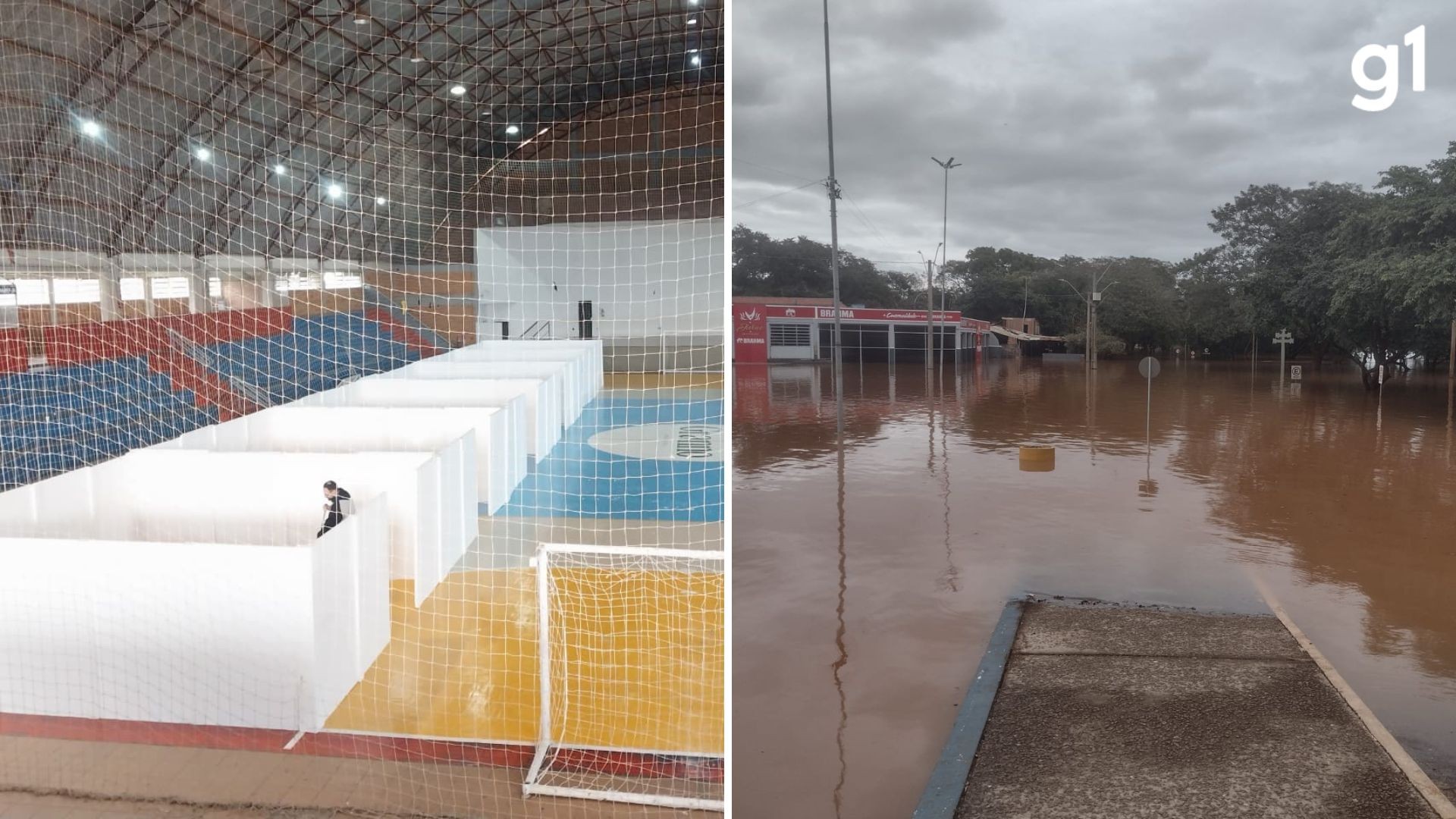
Heavy rainfall in Rio Grande do Sul has caused the Uruguay River to rise significantly, exceeding its flood level in São Borja, located in the state's Fronteira Oeste region. The river reached the flood stage of 9 meters around noon on Saturday, April 4th, and by the afternoon, its level was recorded at 9.1 meters. Civil Defense authorities project that the river could reach 10.5 meters by Sunday morning, April 5th. Currently, one family has been displaced, and a local bar has been inundated by the rising waters. With the projected increase, more commercial establishments at Cais do Porto are expected to be affected, along with at least two additional families' homes. These families have indicated they will only evacuate when the river approaches their residences. A preventative shelter has been established in the Passo neighborhood to accommodate potential displaced individuals. Similar rising water levels are also being monitored in Itaqui and Uruguaiana. In Itaqui, the river is at 7.33 meters, within the alert level, while in Uruguaiana, it is at 7.32 meters, within the attention level. The flood stage in Uruguaiana is 8.5 meters. As of the report's publication, no family evacuations were anticipated in Itaqui or Uruguaiana.
The rising waters of the Uruguay River highlight the vulnerability of communities situated along major waterways to extreme weather events, exacerbated by regional rainfall patterns. The proactive establishment of a shelter demonstrates preparedness, yet the reluctance of some families to evacuate until directly threatened underscores a common challenge in disaster management: balancing individual autonomy with public safety mandates. Future urban planning and infrastructure development in flood-prone areas will need to integrate more robust, long-term resilience strategies, considering the increasing frequency and intensity of such hydrological events driven by climate shifts. The situation also points to the critical need for effective early warning systems and community engagement programs to ensure timely and voluntary evacuations, thereby minimizing risks to both lives and property.
AI-generated to prompt reflection — not editorial opinion, not advice, not a statement of fact. How this works.