Uruguaiana braces for storms after tree falls on home, causing damage
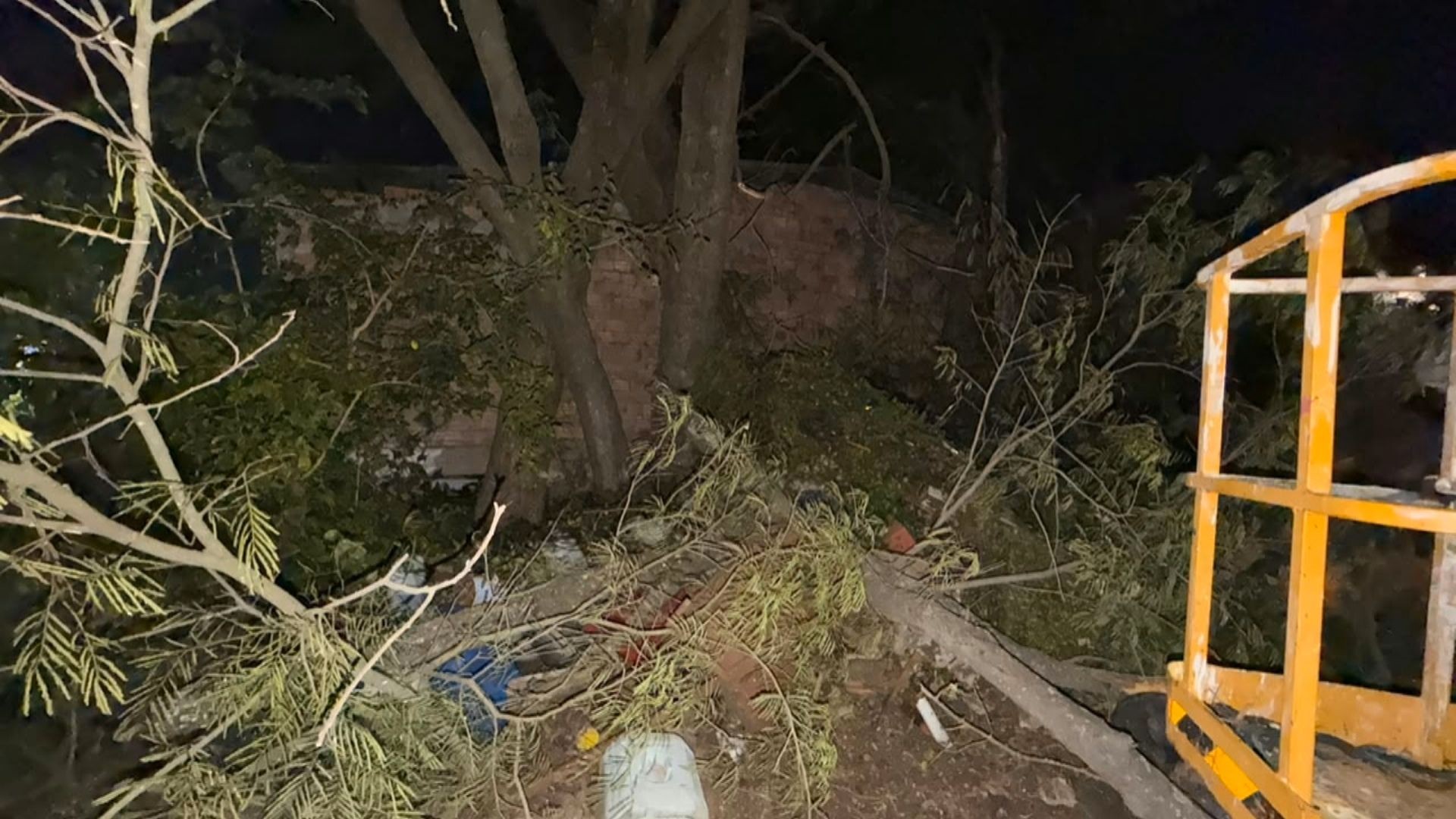
A strong wind in Uruguaiana, located in the Western Frontier of Rio Grande do Sul, Brazil, caused a tree to fall on a house on Thursday night, May 16th. The incident occurred on Benjamin Constant Street in the city center, damaging the residence's roof. Fortunately, no one was injured, and the building's structure remained intact. While heavy winds have already hit the area, significant rainfall has not yet begun. In anticipation of a predicted storm, the local government is mobilizing emergency teams. Meteorologists forecast approximately 130 millimeters of rain for the region by the following week, with concerns also raised about strong wind gusts and potential hail. The municipality is identifying families living in at-risk areas and has developed a contingency plan that includes provisions for the care and shelter of affected animals. Educational institutions have received preventive guidance, and city services have undertaken measures such as cleaning storm drains and clearing drainage systems, focusing on areas with accumulated debris. The Civil Defense has stated that the Uruguay River is not expected to flood at this time, though an emergency shelter has been prepared. Meanwhile, in Santana do Livramento, authorities have pruned trees and cleared streams and canals to improve rainwater drainage and prevent flooding.
The incident in Uruguaiana highlights the vulnerability of urban infrastructure to extreme weather events, exacerbated by climate change. While local authorities are implementing reactive and proactive measures, such as emergency preparedness and infrastructure maintenance, the recurring nature of these events underscores the need for long-term urban planning that integrates climate resilience. This includes assessing and mitigating risks associated with aging tree populations in densely populated areas and enhancing drainage systems to cope with projected increases in rainfall intensity. The focus on animal welfare and educational outreach demonstrates a comprehensive approach to disaster management, recognizing the multifaceted impacts of such events on communities. Future strategies should consider more robust zoning regulations and green infrastructure investments to build greater resilience against increasingly severe weather patterns.
AI-generated to prompt reflection — not editorial opinion, not advice, not a statement of fact. How this works.