Uruguay Lawmaker Revives Bill to Criminalize Elder Abuse After Overcrowding Incident
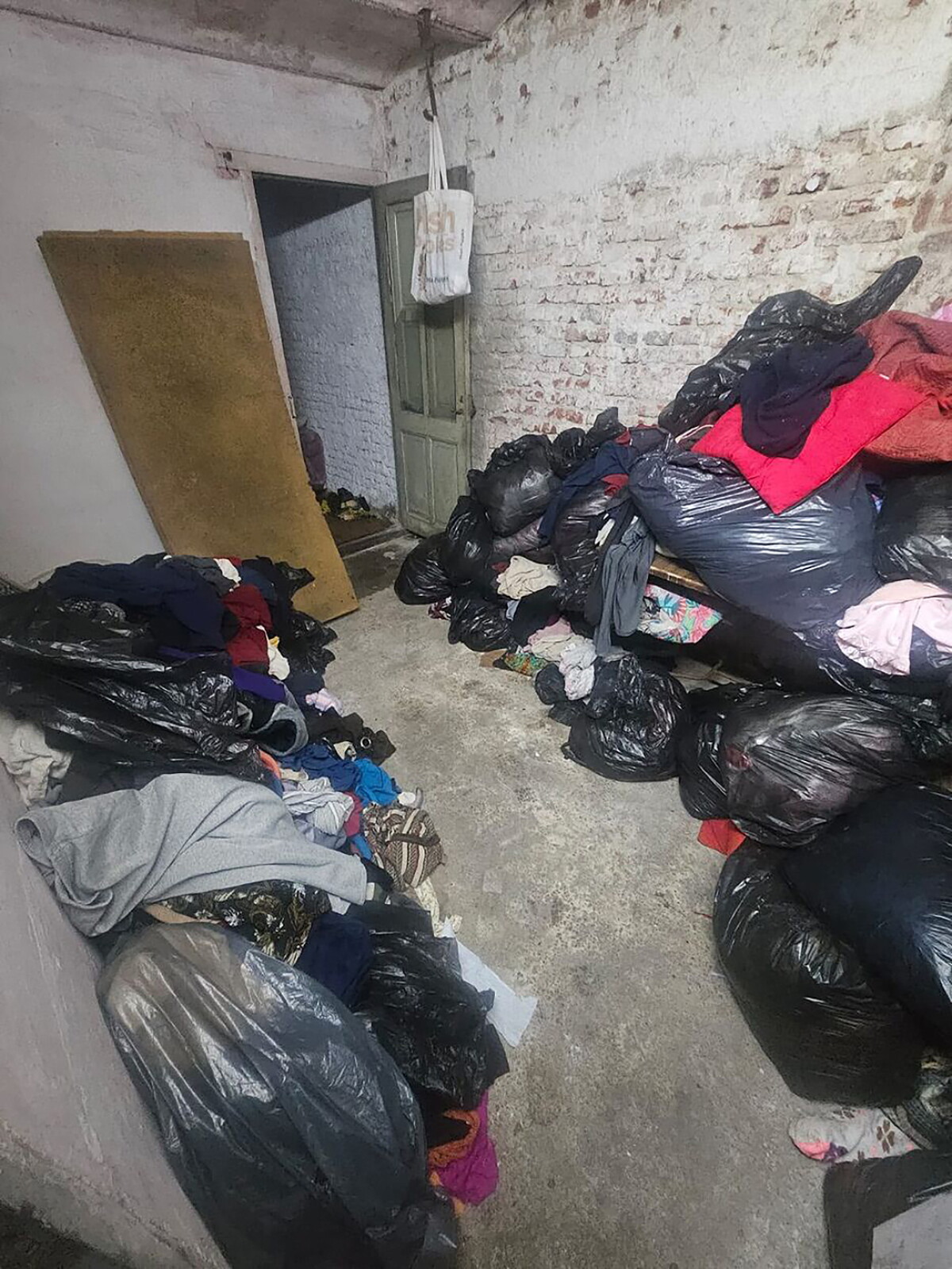
Following a case of overcrowding in a residential facility, Uruguayan lawmaker Nibia Reisch has revived a legislative initiative to criminalize the mistreatment of the elderly. The proposed law aims to establish a ten-year disqualification from caring for individuals for anyone proven to have committed any form of violence against an older adult. This move by Vamos Uruguay seeks to address concerns about the welfare and safety of seniors in care facilities. The initiative specifically targets instances where vulnerable adults are subjected to abuse or neglect. The proposed penalty aims to serve as a strong deterrent against such harmful practices. The legislation underscores a growing awareness and commitment to protecting the rights and dignity of the elderly population in Uruguay. The bill's reintroduction highlights the ongoing need for robust legal frameworks to safeguard elder citizens. It emphasizes the importance of accountability for caregivers and institutions responsible for their well-being. The proposed disqualification period is intended to ensure that individuals who have harmed elders are permanently removed from positions of trust.
The legislative push to criminalize elder abuse, spurred by specific incidents, reflects a societal imperative to strengthen protections for vulnerable populations. The proposed ten-year disqualification from caregiving roles for perpetrators introduces a significant punitive and preventative mechanism. This policy approach addresses both retribution for past harm and the proactive safeguarding of future potential victims by removing individuals with a demonstrated propensity for violence against elders from positions of responsibility. Such measures, while necessary, also highlight the ongoing challenge of effective oversight and enforcement within residential care systems. The effectiveness of this law will depend on robust investigative processes and consistent application of penalties to deter systemic neglect and abuse, rather than isolated incidents.
AI-generated to prompt reflection — not editorial opinion, not advice, not a statement of fact. How this works.