Uruguay's Debt Offering Fails Over Minor Issue, Sparking Political Backlash
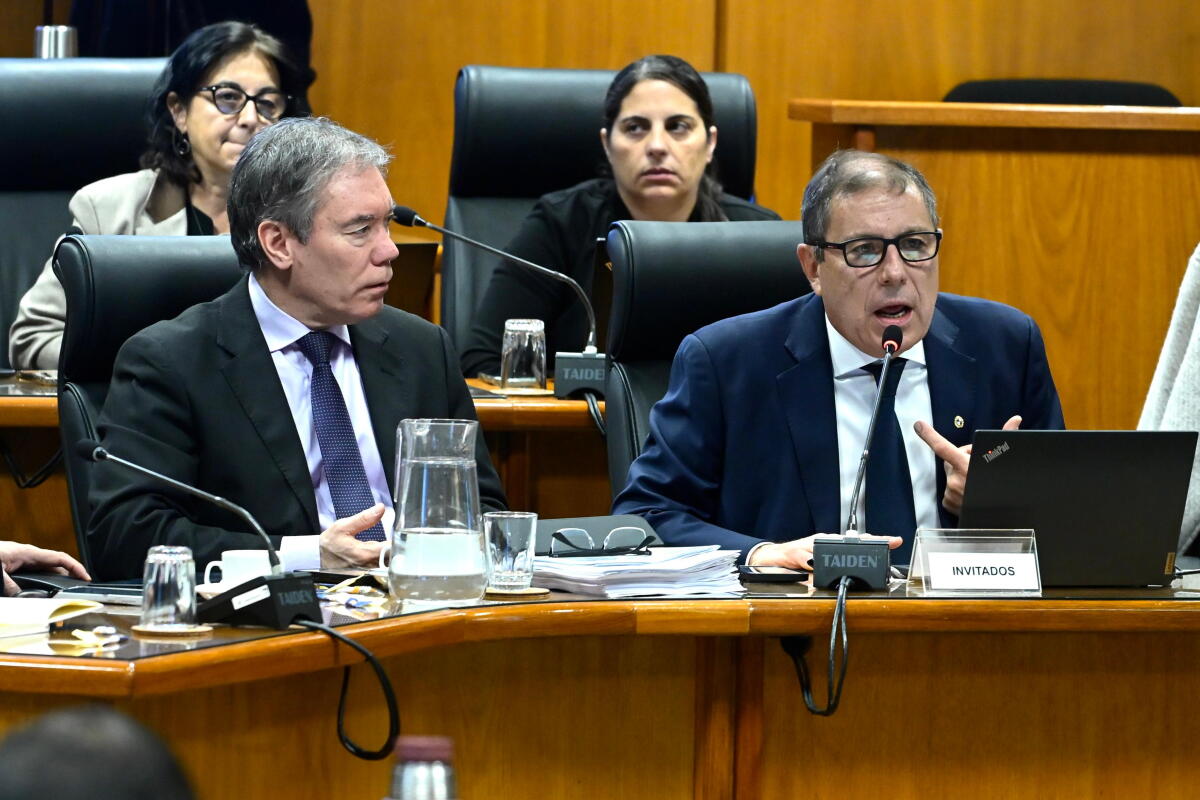
Uruguay's Ministry of Economy and Finance expressed discontent following the cancellation of a debt issuance. The decision to declare the bid 'deserted' was reportedly due to a "minor" aspect, which has led to criticism of "opportunism." The situation was exacerbated by the departure of two legislators from the National Party. This move has cast doubt on market confidence in Uruguay, particularly concerning the government's fiscal management. The ministry's frustration stems from the perceived political maneuvering that overshadowed the technical reasons for the failed debt auction. The incident highlights potential political divisions impacting economic policy and investor sentiment.
The cancellation of Uruguay's debt issuance, attributed to a "minor" issue and perceived "opportunism," suggests a potential disconnect between technical financial operations and political considerations. The departure of legislators from the National Party has amplified market uncertainty, indicating that political stability is a key factor in investor confidence. This event underscores the importance of transparent communication and robust governance frameworks to ensure that economic policy decisions are not unduly influenced by short-term political gains. Looking ahead, Uruguay's ability to navigate such challenges will depend on its capacity to maintain market trust through consistent and predictable fiscal management, especially as global economic conditions evolve.
AI-generated to prompt reflection — not editorial opinion, not advice, not a statement of fact. How this works.