Uruguay's Soybean Harvest Hit Hardest by Climate in the Region
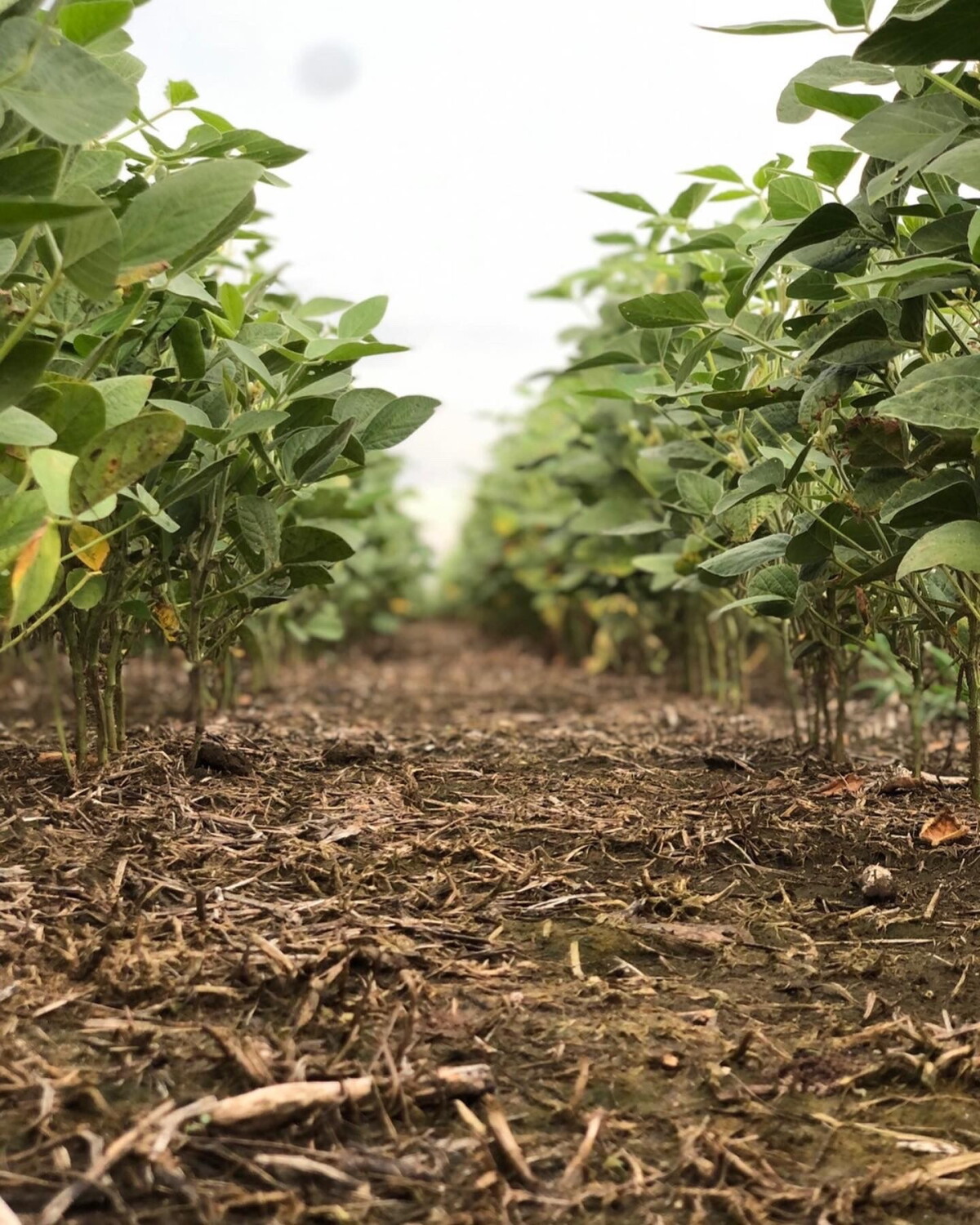
Uruguay experienced a more significant impact from climate conditions on its latest soybean harvest compared to other countries in the region. In contrast, neighboring countries saw record-breaking or near-record production. Paraguay and Brazil achieved record soybean harvests, indicating favorable conditions in those nations. Argentina also reported its highest soybean yield in the last seven years, demonstrating robust production despite regional climate challenges. The disparity in outcomes highlights the localized and varied effects of weather patterns on agricultural output across South America. While Uruguay faced adverse climate impacts, Brazil, Paraguay, and Argentina benefited from conditions that supported exceptional harvests. This uneven performance underscores the vulnerability of agricultural sectors to climate variability and the importance of localized weather patterns in determining crop yields.
The contrasting soybean yields across South America underscore the complex interplay between regional climate patterns and agricultural productivity. While Brazil, Paraguay, and Argentina achieved record or near-record harvests, Uruguay's experience suggests that localized weather events, such as droughts or extreme temperatures, can disproportionately affect specific areas. This highlights the need for diversified agricultural strategies and robust climate resilience measures, including advanced weather forecasting and adaptive farming techniques, to mitigate risks. Future agricultural planning must account for increasing climate volatility, considering how such events can impact food security and commodity markets, potentially leading to price fluctuations and supply chain adjustments.
AI-generated to prompt reflection — not editorial opinion, not advice, not a statement of fact. How this works.