Uruguay to Witness 'Stag Moon' in July 2026: Astronomical Details and Name Origin
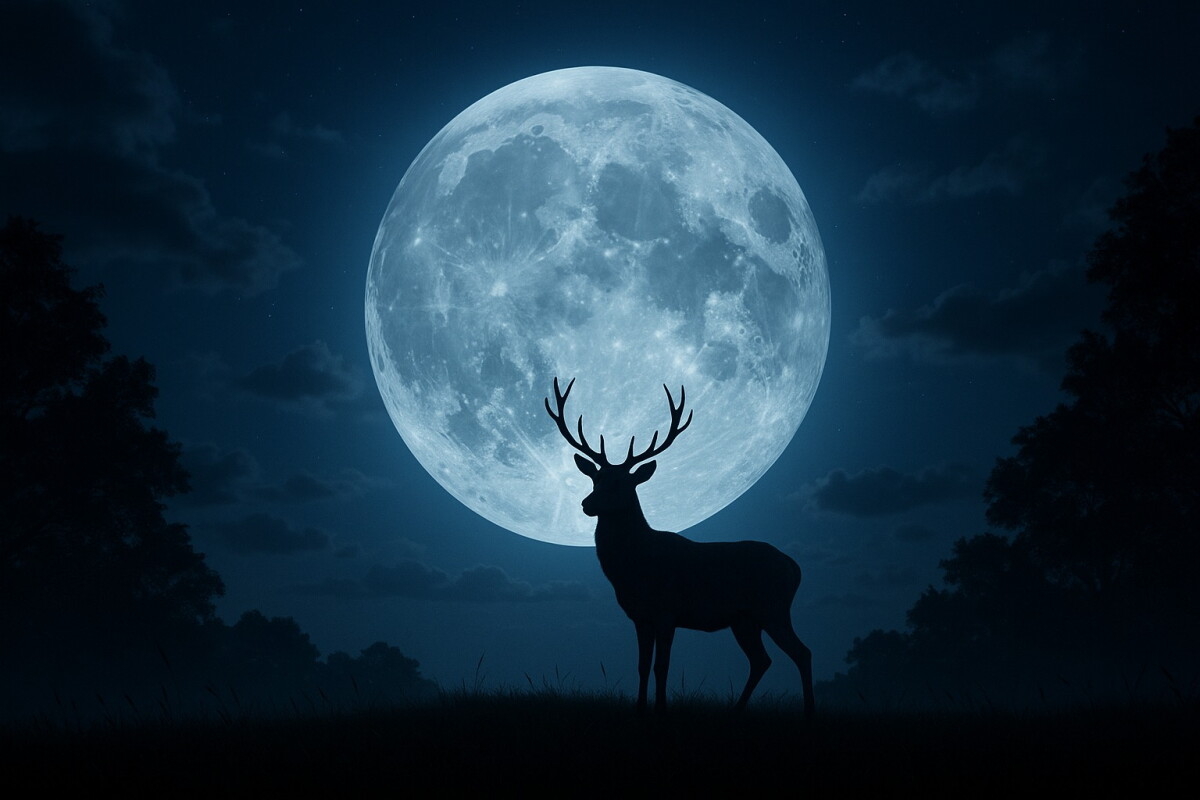
Uruguay will have the opportunity to observe the 'Stag Moon' phenomenon in July 2026, when the natural satellite reaches its peak phase. This celestial event is traditionally known by this name, which has historical and cultural origins. Astronomers explain that the moon will be at its most brilliant during the upcoming month of July. The article promises to provide detailed astronomical information about the phenomenon. It will also delve into the traditional explanation behind the 'Stag Moon' designation. Residents of Uruguay can look forward to witnessing this significant lunar phase. Further details regarding the precise date and time of maximum visibility are expected. The origin of the name is linked to seasonal changes and animal behavior, a common practice in traditional lunar naming. This event offers a chance to connect with astronomical cycles and their historical interpretations.
The naming of lunar events like the 'Stag Moon' reflects a historical human tendency to map celestial cycles onto terrestrial seasons and observable natural phenomena. This practice, while culturally rich, can sometimes obscure precise astronomical timing with traditional nomenclature. In the context of modern astronomy, understanding the underlying orbital mechanics and the specific phase of the moon is paramount for scientific accuracy. The public's interest in such named events highlights an opportunity for astronomical outreach, bridging traditional interpretations with scientific understanding. This can foster greater engagement with space science by leveraging familiar cultural references, while also educating audiences about the objective astronomical processes at play.
AI-generated to prompt reflection — not editorial opinion, not advice, not a statement of fact. How this works.