Uruguayan Hamlet With Shifting Borders, Governed by Two Departments
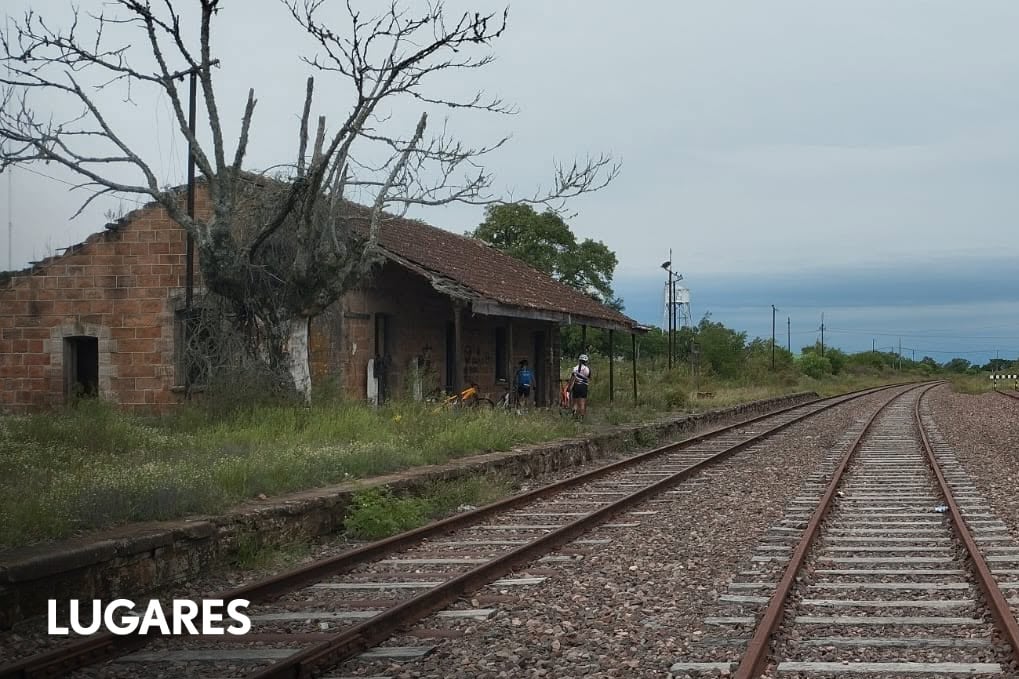
The Uruguayan town of Villa del Carmen, located in the northern part of the country, presents a unique administrative situation as its boundaries are managed by two different departments: Durazno and Tacuarembó. This unusual setup stems from historical development and the town's geographical position. The town's significance is partly linked to the historical importance of the railway, which played a crucial role in its development and connectivity. Villa del Carmen also holds a connection to the legendary tango singer Carlos Gardel, adding a cultural dimension to its identity. The town is described as a curious enclave, suggesting it possesses distinct characteristics that make it stand out. Its attractions are highlighted, implying that it offers points of interest for visitors or residents. The article focuses on the peculiar administrative governance and the historical and cultural elements that define this Uruguayan settlement.
The governance structure of Villa del Carmen, split between two departments, highlights potential administrative inefficiencies and challenges in service delivery and resource allocation. This situation may stem from historical administrative divisions that have not been updated to reflect contemporary needs for integrated governance. Examining such cases can inform discussions on optimizing regional administration and inter-departmental cooperation to ensure equitable development and efficient public services across jurisdictional boundaries. The interplay of historical development, infrastructure like railways, and cultural heritage in shaping a community's identity and administrative reality offers a lens through which to view the evolving relationship between place, governance, and national identity in the digital age.
AI-generated to prompt reflection — not editorial opinion, not advice, not a statement of fact. How this works.
