Uruguayan Women Face Higher Poverty and Food Insecurity Than Men
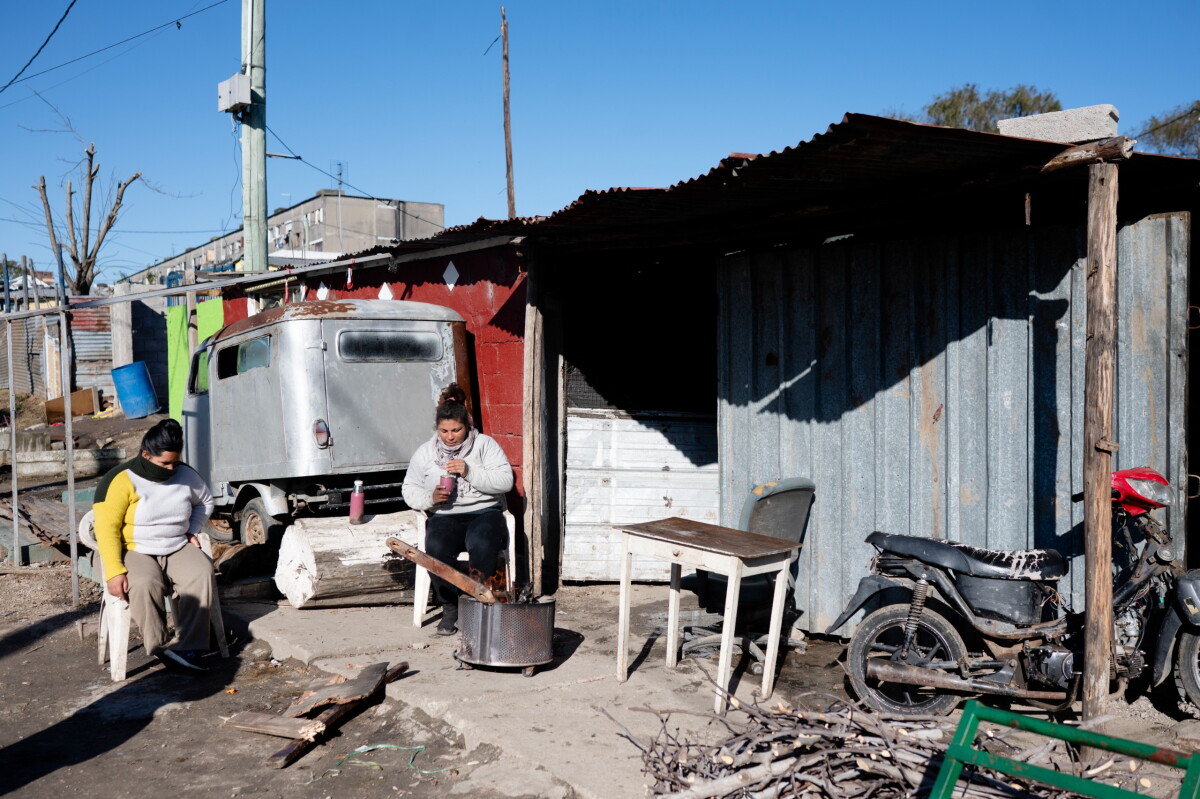
A recent study reveals that women in Uruguay experience greater poverty and food insecurity compared to men. This disparity is particularly pronounced in the age group of 25 to 49 years, a period when women typically bear the primary responsibility for caregiving duties. The research also highlights a significant issue of gender-based violence, with 19.5% of women reporting that they have experienced such violence within the past 12 months. These findings underscore a complex interplay of economic, social, and safety challenges faced disproportionately by women in Uruguay.
The study's findings point to systemic gender-based disparities in Uruguay, particularly concerning economic well-being and personal safety. The concentration of poverty and food insecurity among women aged 25-49, coinciding with peak caregiving years, suggests that societal structures may not adequately support women's economic participation or distribute domestic burdens equitably. The reported rates of gender-based violence further indicate a critical public health and safety issue that requires comprehensive policy interventions. Addressing these interconnected challenges will likely necessitate a multi-faceted approach, focusing on economic empowerment, equitable distribution of care responsibilities, and robust measures to combat gender-based violence, all within the context of Uruguay's broader socio-economic development trajectory.
AI-generated to prompt reflection — not editorial opinion, not advice, not a statement of fact. How this works.