US 2026 Primary Elections: Understanding Their Purpose and Function
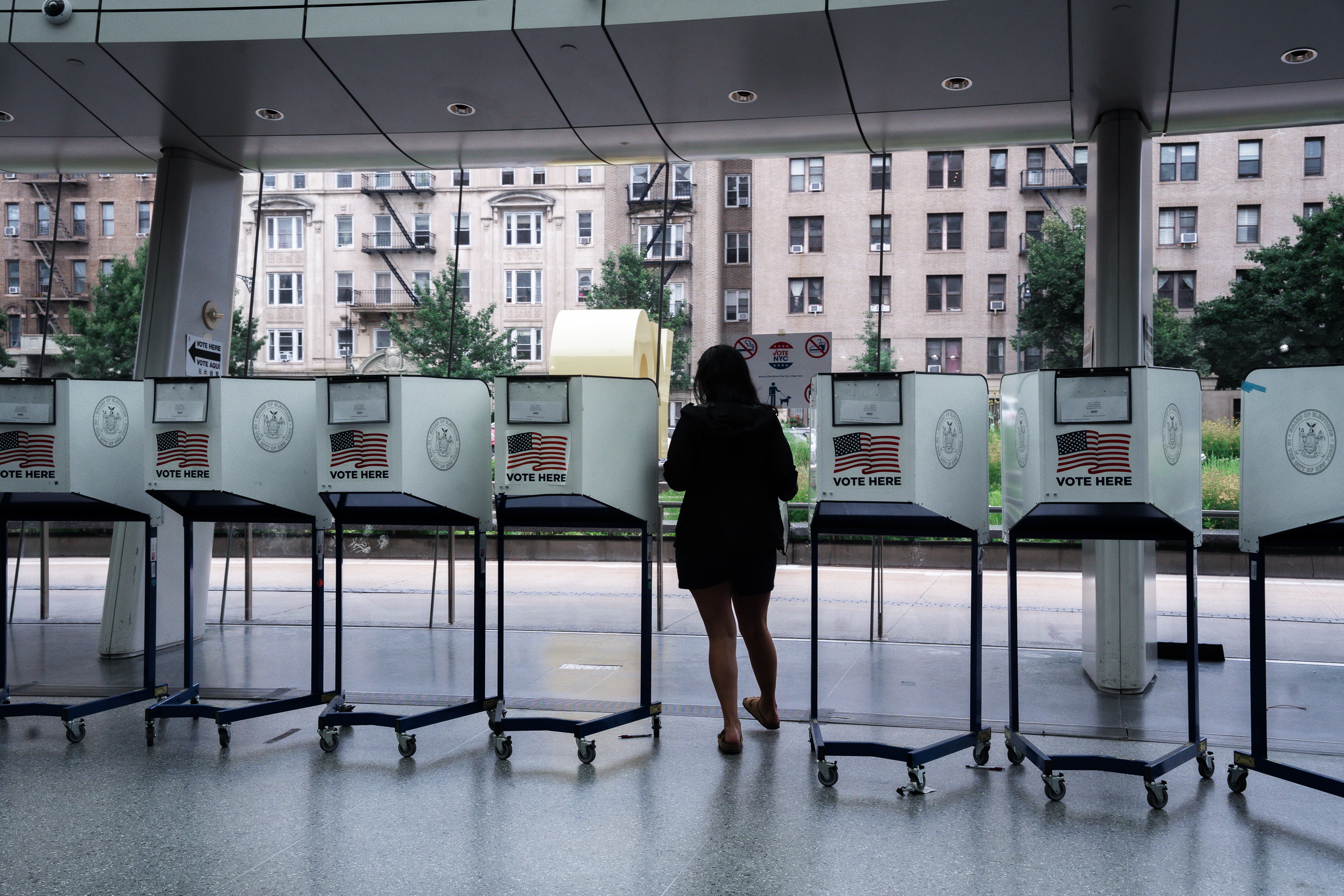
The United States will hold primary elections in 2026 to select candidates for the general elections. These primaries are crucial for determining who will represent each political party on the ballot. The specific types of primary elections and their operational mechanisms differ significantly across states, influenced by state laws and the internal regulations of political parties. Understanding these variations is key to grasping the nuances of the US electoral process. The primary elections serve as a vital preliminary stage, allowing party members and sometimes independent voters to cast their ballots for their preferred nominees. This process helps to consolidate support and define the party's platform before the broader general election contest. The outcomes of these primaries directly shape the choices available to voters in the subsequent general elections, impacting the composition of government at various levels.
The primary election system in the U.S. is a decentralized mechanism designed to facilitate candidate selection within political parties. Its state-by-state variation reflects a tension between national party platforms and local political dynamics. While intended to democratize candidate selection, the system's complexity and differing rules can create barriers to participation and understanding for voters. Looking ahead, the increasing influence of digital platforms and data analytics may further shape how primaries are contested and perceived, potentially leading to new challenges in ensuring equitable representation and informed voter engagement in the coming decade.
AI-generated to prompt reflection — not editorial opinion, not advice, not a statement of fact. How this works.
