US 250th Anniversary Celebrations Marred by Political Division and Trump's Personalization
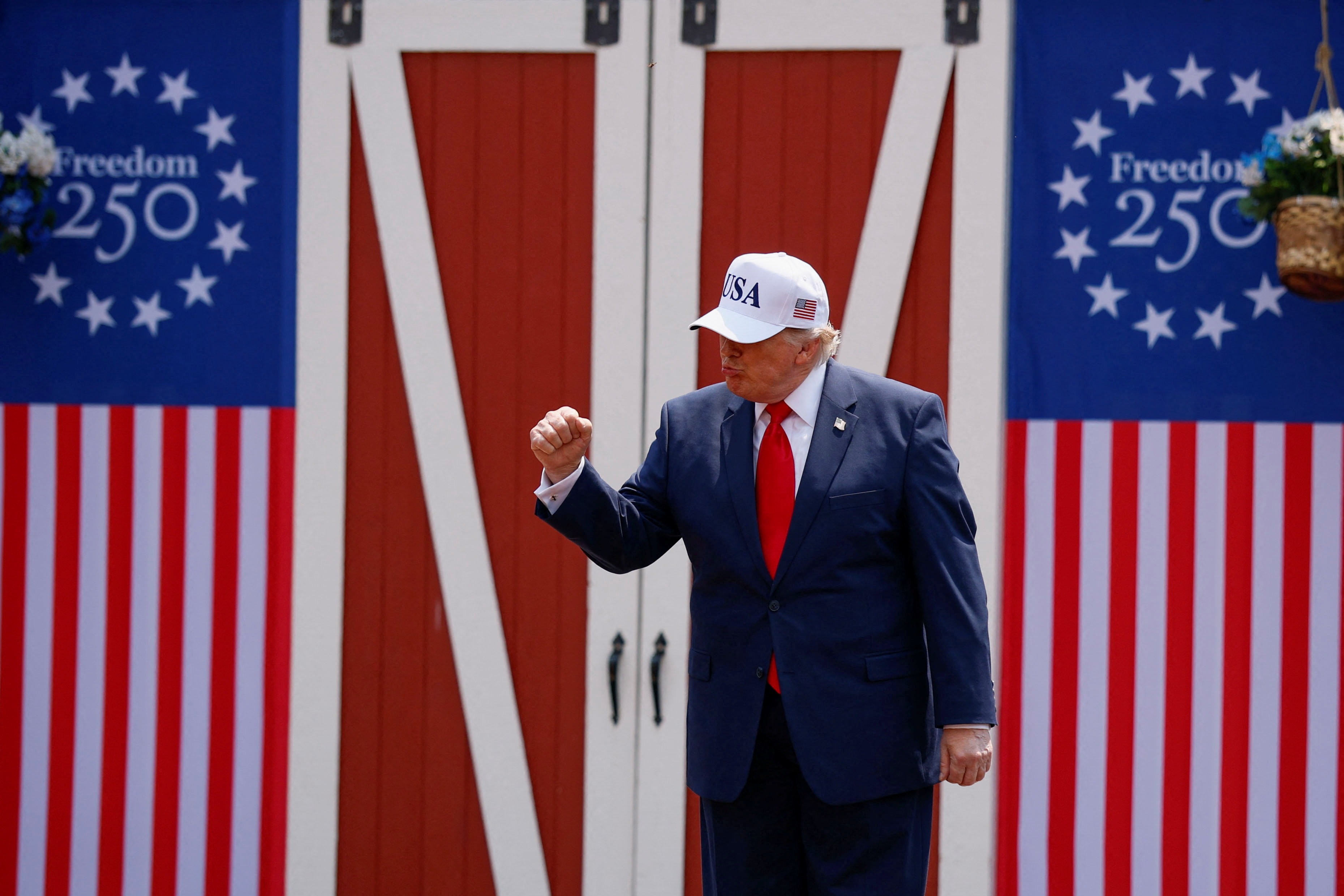
The United States' 250th Independence Day celebrations, intended as a moment of national unity, have become a battleground over the narrative of American history and patriotism. The planning, initiated in 2016 by the bipartisan America250 commission, envisioned nationwide educational and cultural events. However, following Donald Trump's return to the White House in January 2025, he established the Freedom 250 group to organize federal events in Washington, creating a bifurcated celebration. Freedom 250's programming centered on Trump, featuring military performances and a large fireworks display, while America250, based in Los Angeles, focused on cultural diversity with artists like Queen Latifah and Chris Stapleton. Behind the scenes, the two organizations clashed over budgets, programming, and publicity, leading to separate student contests, competition for sponsors, and dueling advertising campaigns. Original plans for Washington, including a parade and Smithsonian festival, were replaced by Trump's Great American State Fair, prompting at least nine states to withdraw from direct participation. Experts note this personalization of national celebrations is unprecedented in U.S. history, contrasting with the more protocol-oriented events of 1976 and 1876. Trump's emphasis on his personal image, evident on commemorative items, has led to international questioning of traditional American values. The funding also reflects this division, with Freedom 250 receiving significantly more government allocation than America250, despite congressional appropriations. While some corporations sponsored both initiatives, others chose sides. The polarization extended to cultural programming, with several artists withdrawing from Freedom 250 events due to their perceived political nature, leading to a lineup more aligned with conservative figures. This division mirrors broader political polarization, with stark differences in national pride reported between Republican and Democratic voters.
The 250th anniversary celebrations highlight the increasing politicization of national symbols and historical narratives in the United States. The competition between America250 and Freedom 250, and the subsequent personalization of the event by the executive branch, reflects a broader trend where national identity is contested and leveraged for political advantage. This dynamic poses a challenge to fostering a cohesive national identity, particularly in an era where information ecosystems are highly fragmented. The international perception of American values may be impacted by how these foundational moments are framed domestically, potentially influencing geopolitical relationships. Future governance models might need to address mechanisms for managing national celebrations to ensure they serve unifying purposes rather than exacerbating societal divisions, especially as digital platforms amplify these ideological rifts.
AI-generated to prompt reflection — not editorial opinion, not advice, not a statement of fact. How this works.