US Accuses Cuba of Nearly 70 Years of Espionage and Subversion
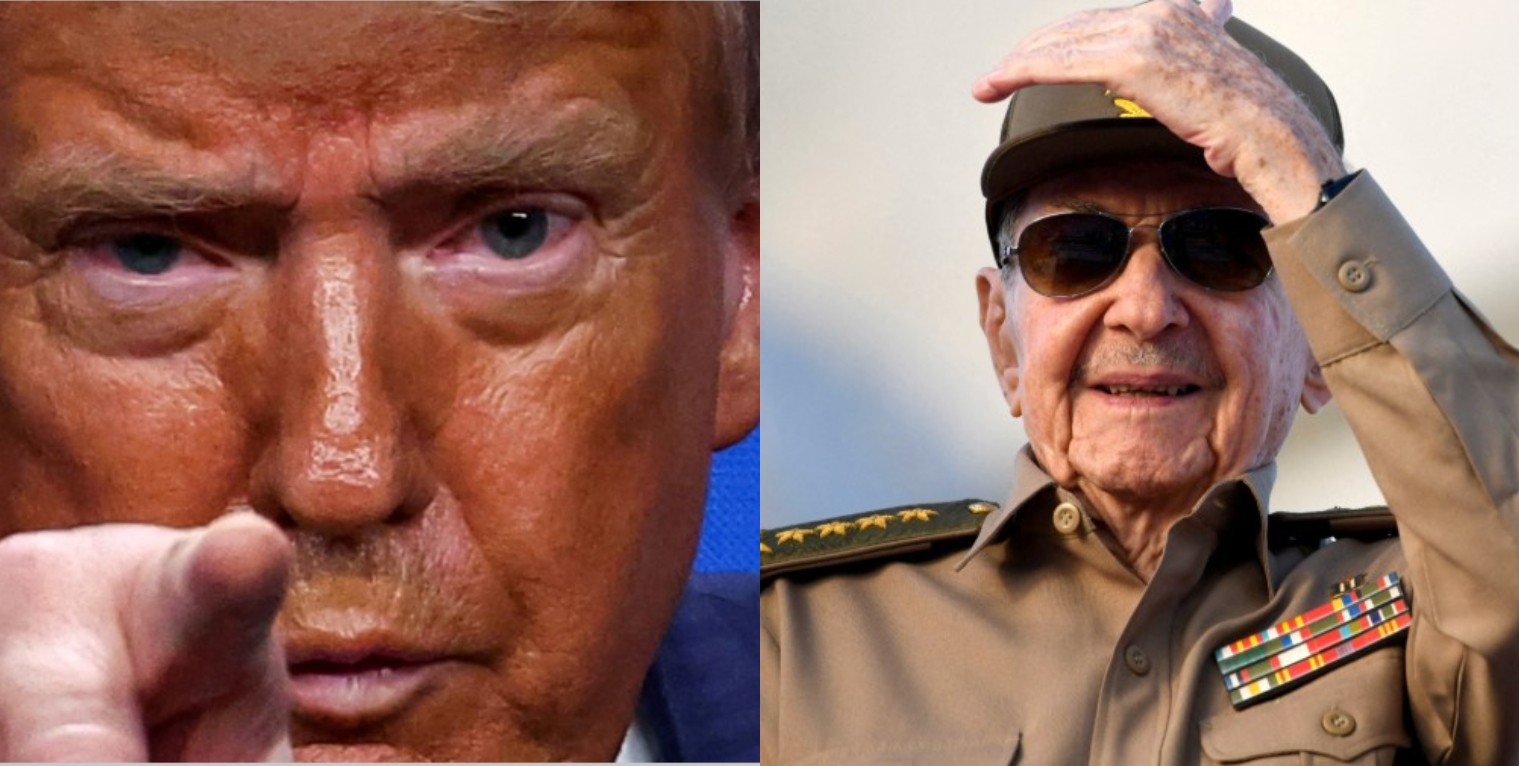
The United States has accused Cuba of conducting a nearly seven-decade campaign of "espionage and subversion" within its territory, according to a special report released by the State Department on Monday, October 20th. This report escalates pressure on the island nation, with the Trump administration openly seeking regime change amid Cuba's worst economic crisis in decades. The State Department alleges that Cuba infiltrated high levels of the U.S. government, recruited and trained "generations of activists," and supported "left-wing terrorism." While Havana has initiated new economic reforms, U.S. Secretary of State Marco Rubio deems them insufficient. The U.S. report characterizes Cuba's strategy not as conventional military conflict, which Havana lacks the capacity for, but as a prolonged "war of attrition" employing espionage, infiltration, sabotage, allied networks, and a revolutionary infrastructure designed to sow division within the United States. This long-standing animosity dates back to the triumph of the Cuban Revolution in 1959 and the subsequent imposition of U.S. sanctions after Fidel Castro nationalized American companies. The U.S. has maintained an embargo since the 1960s, though it has been selectively eased for agricultural products and medicine. However, recent actions, including an oil blockade earlier this year, have further strained Cuba's already fragile economy. The State Department's accusations echo decades of U.S. intelligence assessments and historical U.S. actions, such as the failed Bay of Pigs invasion. The report details accusations against active U.S. organizations like the National Network on Cuba (NNOC) and highlights Senator Marco Rubio's efforts to combat what the Trump administration labels as a resurgence of left-wing political terrorism, which Rubio views as a primary non-state violent threat globally.
The U.S. State Department's report frames Cuba's actions as a deliberate, long-term strategy of "attrition" rather than direct confrontation, highlighting the historical context of U.S.-Cuba relations since the Cold War. This framing serves to justify ongoing U.S. pressure and sanctions by portraying Cuba as an persistent adversary actively undermining U.S. interests and Western civilization. From a systems perspective, this narrative may reflect a geopolitical dynamic where the U.S. seeks to maintain regional influence and counter perceived ideological threats, while Cuba leverages asymmetric tactics to survive and project its own influence despite significant economic disadvantages. The report's emphasis on "left-wing terrorism" and "revolution against Western civilization" suggests a broader ideological battle, potentially aimed at consolidating domestic political support and international alliances against perceived adversaries, rather than solely addressing specific espionage activities. Future U.S. policy toward Cuba will likely continue to be shaped by this adversarial framing, balancing national security concerns with the economic and political realities of the island and its regional implications.
AI-generated to prompt reflection — not editorial opinion, not advice, not a statement of fact. How this works.