US Acknowledges Drone Production Lag Behind Ukraine, Pentagon Official Explains
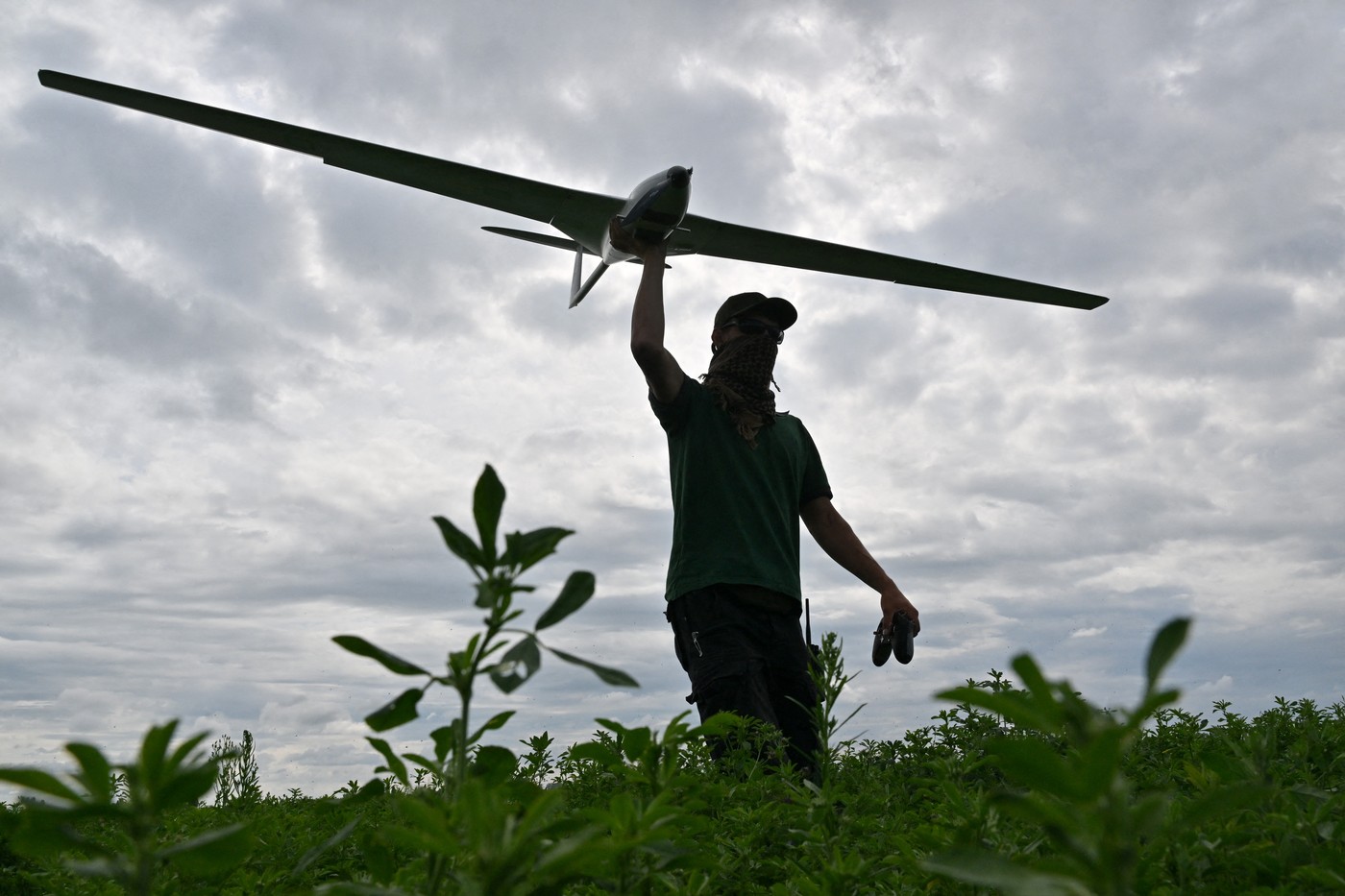
The United States is still in the early stages of developing its domestic drone industry and is significantly behind Ukraine's production capabilities during the ongoing war. A Pentagon official, speaking to Reuters and reported by News.ro, stated that Washington's efforts to catch up are being hampered by new regulations. These rules mandate the exclusive use of components manufactured within the United States. This policy, while intended to bolster domestic industry, appears to be slowing down the pace of drone development and production for the U.S. military. The official's remarks highlight a critical challenge for the Pentagon as it seeks to enhance its drone warfare capabilities. The contrast between the U.S. nascent industry and Ukraine's wartime production underscores the complexities of military supply chains and technological advancement in a conflict zone. The focus on solely U.S.-made parts presents a bottleneck for rapid scaling. The situation suggests a need for strategic re-evaluation of procurement and manufacturing policies to accelerate progress.
The U.S. Pentagon's acknowledgment of a drone production gap with Ukraine, coupled with stricter 'made in the USA' component rules, presents a complex strategic dilemma. This situation highlights a potential conflict between national industrial policy objectives and the urgent need for advanced military capabilities in a peer or near-peer competition environment. The emphasis on domestic sourcing, while aiming to strengthen the U.S. defense industrial base, may inadvertently create dependencies and slow down the rapid adaptation required in modern warfare. Future considerations should explore how to balance national security imperatives with the agility needed to integrate and scale new technologies, potentially through strategic international partnerships or revised domestic manufacturing incentives that prioritize speed and innovation alongside security. The next decade will likely demand more resilient and adaptable supply chains, capable of rapid deployment and technological iteration.
AI-generated to prompt reflection — not editorial opinion, not advice, not a statement of fact. How this works.