US Adjusts Strategy Towards Iran Amid Rising Tensions
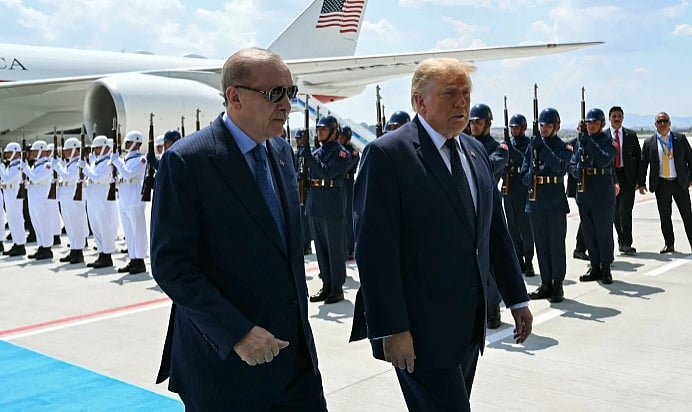
Amidst escalating anti-Iran rhetoric and directives for potential strikes, President Donald Trump's presence at the NATO summit in Turkey raises questions beyond a mere diplomatic meeting on European security. This engagement suggests a potential recalibration or restructuring of the United States' strategic approach concerning the Islamic Republic of Iran and its associated 'axis of resistance.' The implications of this shift are being closely observed by regional and international stakeholders.
The United States' strategic posture towards Iran, particularly in the context of NATO discussions, warrants examination through the lens of geopolitical incentives and alliance dynamics. Any adjustment in US strategy could influence regional stability and the broader balance of power. Evaluating the long-term implications requires considering how such shifts align with evolving global security architectures and the potential for unintended consequences in a complex geopolitical landscape. The interaction between US policy, regional alliances, and Iran's response will shape the trajectory of international relations in the coming decade.
AI-generated to prompt reflection — not editorial opinion, not advice, not a statement of fact. How this works.