US Affirms Strait of Hormuz Remains Open Amid Tensions with Iran
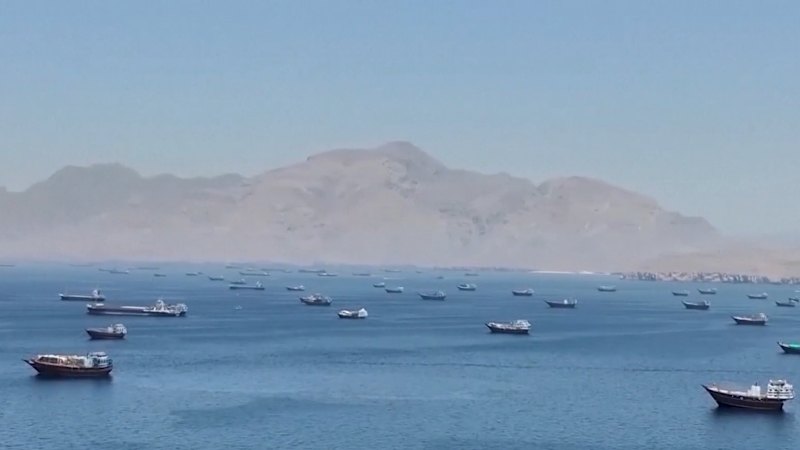
The United States has reiterated its stance that the Strait of Hormuz remains open, indicating no de-escalation in the ongoing hostilities with Iran. Despite the persistent tensions, the U.S. maintains its commitment to ensuring freedom of navigation through this critical waterway. The situation highlights the continued strategic importance of the Strait of Hormuz, a vital chokepoint for global oil shipments. The ongoing friction between the two nations underscores the complex geopolitical dynamics in the region. The U.S. assertion serves as a clear signal to all parties involved regarding maritime security and international transit rights. This declaration comes at a time when regional stability remains a significant concern for the international community. The open passage through the Strait is crucial for maintaining global energy supply chains. The U.S. position aims to prevent any disruption to international trade and maritime operations. The lack of easing hostilities suggests that diplomatic efforts may be facing significant challenges. The situation warrants close monitoring due to its potential impact on global markets and international relations.
The U.S. insistence on the open passage through the Strait of Hormuz reflects a strategic imperative to maintain global energy market stability and project maritime power. This assertion, made amidst heightened tensions with Iran, signals a commitment to upholding international norms of navigation while potentially deterring any actions that could disrupt vital trade routes. The underlying dynamic involves balancing security concerns with the economic implications of potential blockades or disruptions. Future geopolitical scenarios will likely hinge on the interplay between state-level deterrence, international maritime law, and the economic interdependence of global energy markets. The effectiveness of such declarations in the long term will depend on sustained diplomatic engagement and the broader regional security architecture.
AI-generated to prompt reflection — not editorial opinion, not advice, not a statement of fact. How this works.