US AI Model Blockade Seen as Legal Tactic for National Security, Says Expert
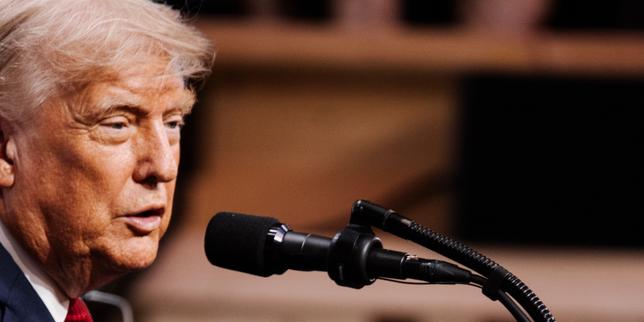
Mark Corcoral, a political scientist, argues that Washington's mid-June suspension of advanced AI models from companies like Anthropic and OpenAI represents a novel application of law for national security purposes. He suggests this action aligns with a historical pattern of American legal assertiveness against perceived adversaries. Corcoral views this move not as a simple regulatory measure but as a strategic deployment of legal instruments to achieve geopolitical objectives. The researcher posits that this approach reflects a broader trend where national security concerns are increasingly invoked to justify actions that impact international technological development. This tactic, according to Corcoral, allows the U.S. to exert influence over global AI advancements without necessarily resorting to traditional trade sanctions or diplomatic pressure. The suspension highlights the growing intersection of technology, law, and national security in international relations. It raises questions about the future accessibility of cutting-edge AI technologies and the potential for similar legal strategies to be employed by other nations.
The U.S. government's decision to suspend certain AI models, as interpreted by researcher Mark Corcoral, illustrates a strategic use of legal and regulatory frameworks to manage the geopolitical implications of advanced technology. This approach leverages national security justifications to shape the global AI landscape, potentially influencing the competitive positioning of both domestic and international technology firms. Such actions highlight the evolving interplay between innovation, economic competitiveness, and state-level security interests in the digital age. The long-term impact on international collaboration, technological diffusion, and the development of global AI governance norms remains a critical consideration for the coming decade.
AI-generated to prompt reflection — not editorial opinion, not advice, not a statement of fact. How this works.