US Aid Arrives in Post-War Germany: CARE Packages Symbolize Hope
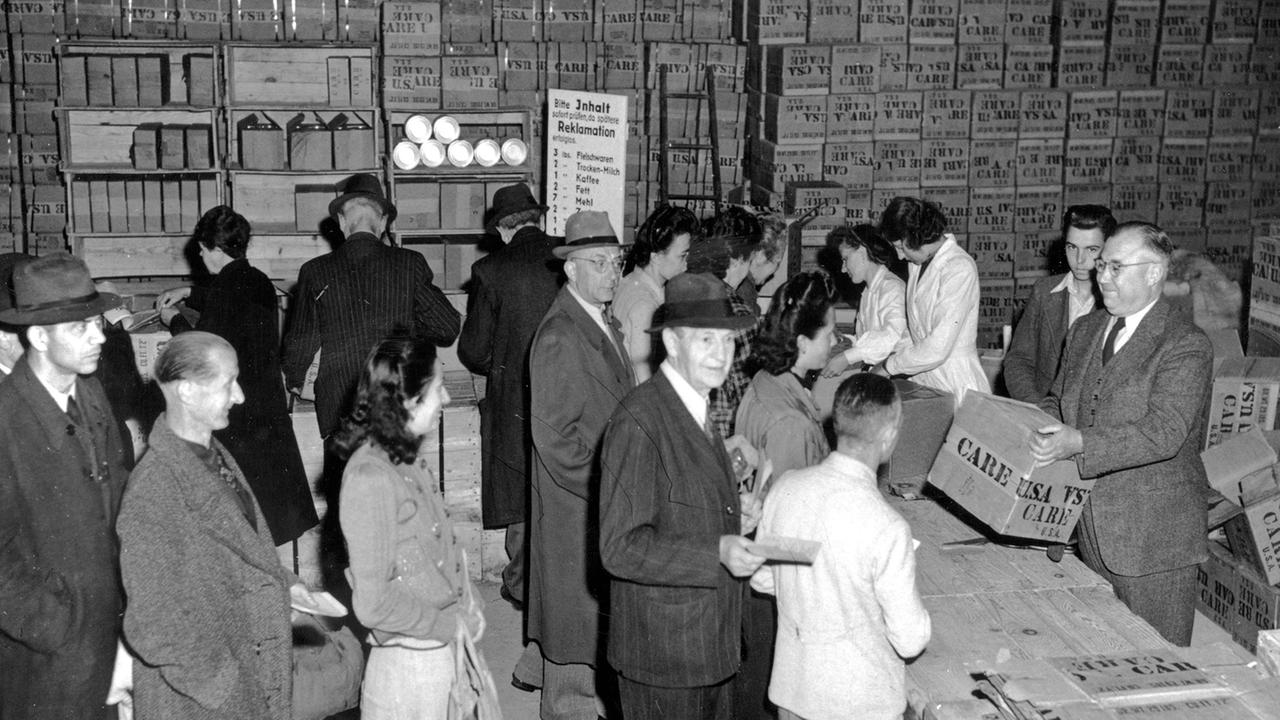
On July 15, 1946, the first American cargo ship carrying humanitarian aid arrived in post-war Germany. The vessel was laden with approximately 36,000 CARE packages intended for the starving population. These packages quickly became a potent symbol of hope for the German people facing severe hardship after the conflict. The arrival of this aid marked a significant moment in the early reconstruction efforts and demonstrated international support for the war-torn nation. The initiative aimed to alleviate immediate suffering and provide essential provisions to civilians. The distribution of these packages was a crucial step in rebuilding trust and fostering goodwill.
The arrival of CARE packages in post-war Germany in July 1946 represents a critical juncture in post-conflict humanitarian aid. This initiative, driven by the United States, served not only to address immediate food shortages but also as a strategic tool for rebuilding international relations and fostering stability. The symbolic power of these packages highlights the effectiveness of tangible aid in conveying goodwill and easing societal tensions. Looking ahead, such programs underscore the enduring importance of international cooperation in post-crisis recovery, offering a model for addressing widespread deprivation and rebuilding social capital in devastated regions. The long-term impact of such aid extends beyond immediate relief, influencing geopolitical alignments and laying groundwork for future alliances.
AI-generated to prompt reflection — not editorial opinion, not advice, not a statement of fact. How this works.