US Aims to Isolate International Criminal Court, Senator Rubio Says
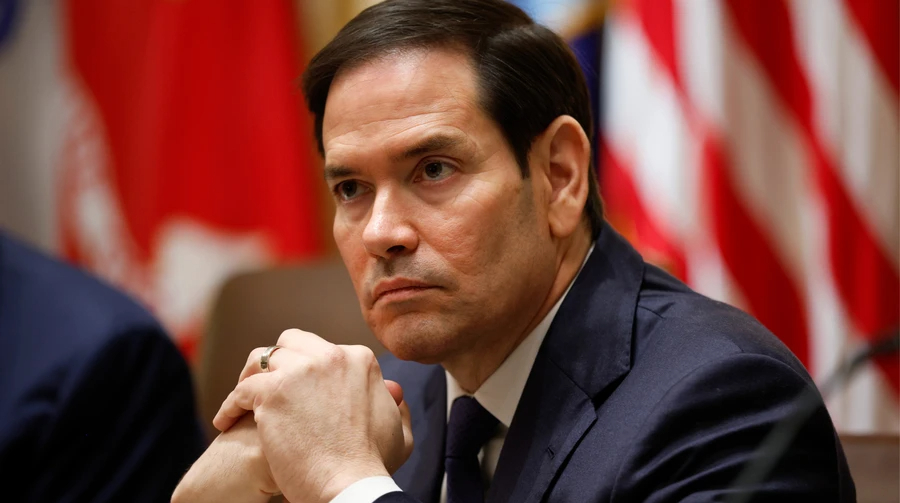
United States Senator Marco Rubio has stated that the U.S. is preparing to politically isolate the International Criminal Court (ICC). According to Rubio, the U.S. is urging its allies to join a campaign against the court. This initiative suggests a significant diplomatic push to undermine the ICC's operations and influence. The U.S. government's stance appears to be one of active opposition to the court's jurisdiction and actions. The specific methods of "dismantling" the court are not detailed, but the focus is on diplomatic isolation and garnering international support for this position. This development signals a potential shift in international legal cooperation and the standing of global judicial bodies.
The U.S. strategy to isolate the International Criminal Court, as articulated by Senator Rubio, reflects a tension between national sovereignty and international legal frameworks. This approach may stem from concerns regarding the ICC's potential overreach or perceived biases, particularly in relation to U.S. personnel or allies. By seeking to rally allies, the U.S. aims to diminish the ICC's legitimacy and operational capacity. This move could foster a fragmented international legal landscape, potentially weakening global efforts to hold individuals accountable for severe international crimes. The long-term implications involve a reevaluation of multilateral legal institutions and the balance of power between sovereign states and international judicial bodies in the coming decade.
AI-generated to prompt reflection — not editorial opinion, not advice, not a statement of fact. How this works.