US Aims to Undermine International Criminal Court, Accusing it of "Globalist Bureaucrats"
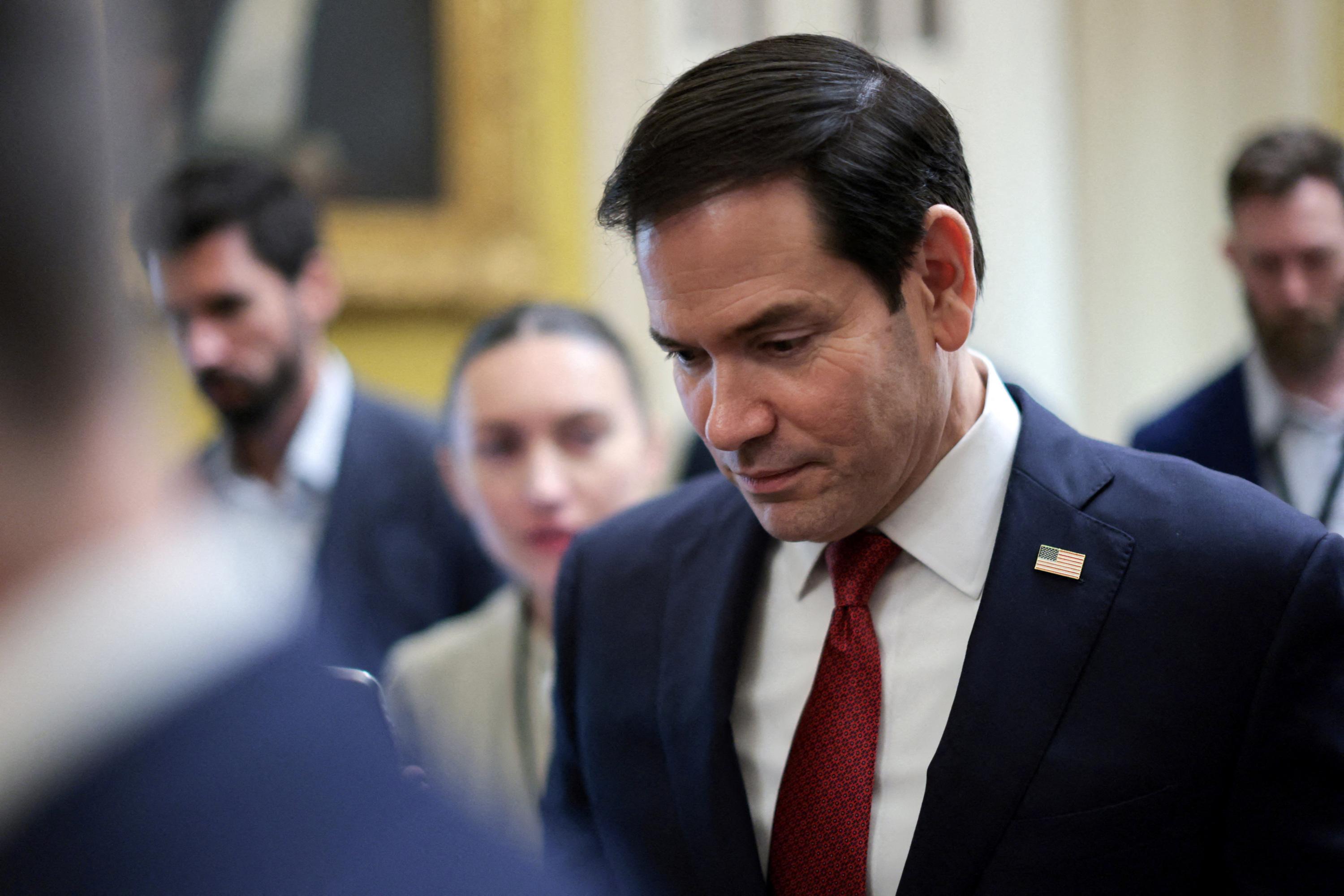
The United States, under Secretary of State Antony Blinken, has launched a significant offensive aimed at weakening the International Criminal Court (ICC). This move represents a major escalation in the US strategy to diminish the tribunal's influence. The US administration has characterized ICC officials as "globalist bureaucrats," signaling a deep distrust and opposition to the court's jurisdiction and operations. This diplomatic and political pressure is intended to further isolate the ICC and potentially limit its ability to investigate and prosecute individuals, particularly those associated with powerful nations that are not members of the court. The actions by Washington suggest a broader geopolitical strategy to assert national sovereignty over international legal mechanisms. The ICC, based in The Hague, has been a focal point for international justice, but faces challenges from states that do not recognize its authority. This latest US action intensifies the ongoing tension between the court and certain global powers.
The US stance against the ICC, framed as a critique of "globalist bureaucrats," highlights a fundamental tension between national sovereignty and international legal frameworks. This approach may stem from concerns over potential overreach and the application of international law to citizens of non-member states, particularly those from powerful nations. The US strategy appears to prioritize national interests and autonomy, potentially influencing other states to reconsider their engagement with international tribunals. This dynamic could reshape the future landscape of international justice, emphasizing a more fragmented or state-centric approach to accountability. The long-term implications involve a potential weakening of multilateral institutions designed to uphold global norms and deter atrocities, necessitating a re-evaluation of enforcement mechanisms in an increasingly complex geopolitical environment.
AI-generated to prompt reflection — not editorial opinion, not advice, not a statement of fact. How this works.