US Air Defense in Middle East Reportedly Conserving Ammunition by Ignoring Non-Threatening Iranian Missiles
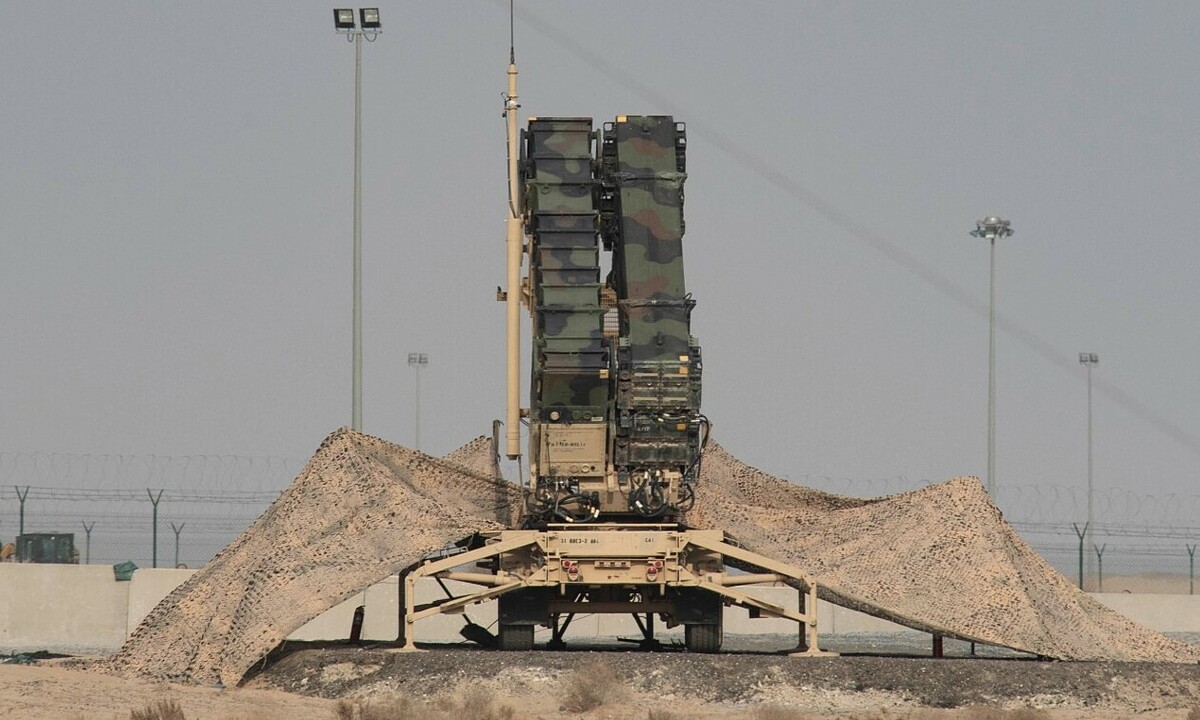
US defense units stationed in the Middle East are reportedly choosing to ignore Iranian missiles and drones that do not pose a direct threat to American soldiers. This strategic decision is aimed at conserving limited ammunition supplies. The concern is that a prolonged conflict or a significant escalation could deplete the available weaponry, leaving forces vulnerable. By selectively engaging only the most immediate threats, the US military seeks to maintain its defensive capabilities for critical situations. This approach highlights the logistical challenges and resource management required in ongoing regional operations. The decision underscores the delicate balance between maintaining security and preserving vital military assets.
The reported practice of selectively engaging aerial threats suggests a strategic prioritization of ammunition reserves over immediate, albeit indirect, threat neutralization. This approach reflects a pragmatic response to potential resource constraints in a complex geopolitical environment. It raises questions about the threshold for engagement and the potential risks associated with allowing certain projectiles to pass unintercepted, even if deemed non-threatening at the moment of detection. Future military doctrine may need to account for such scenarios, balancing defensive readiness with the sustainability of materiel in prolonged or high-intensity regional operations.
AI-generated to prompt reflection — not editorial opinion, not advice, not a statement of fact. How this works.