US Airstrikes Disrupt Iran's Strait of Hormuz Reopening Efforts, Both Sides Exchange Fire
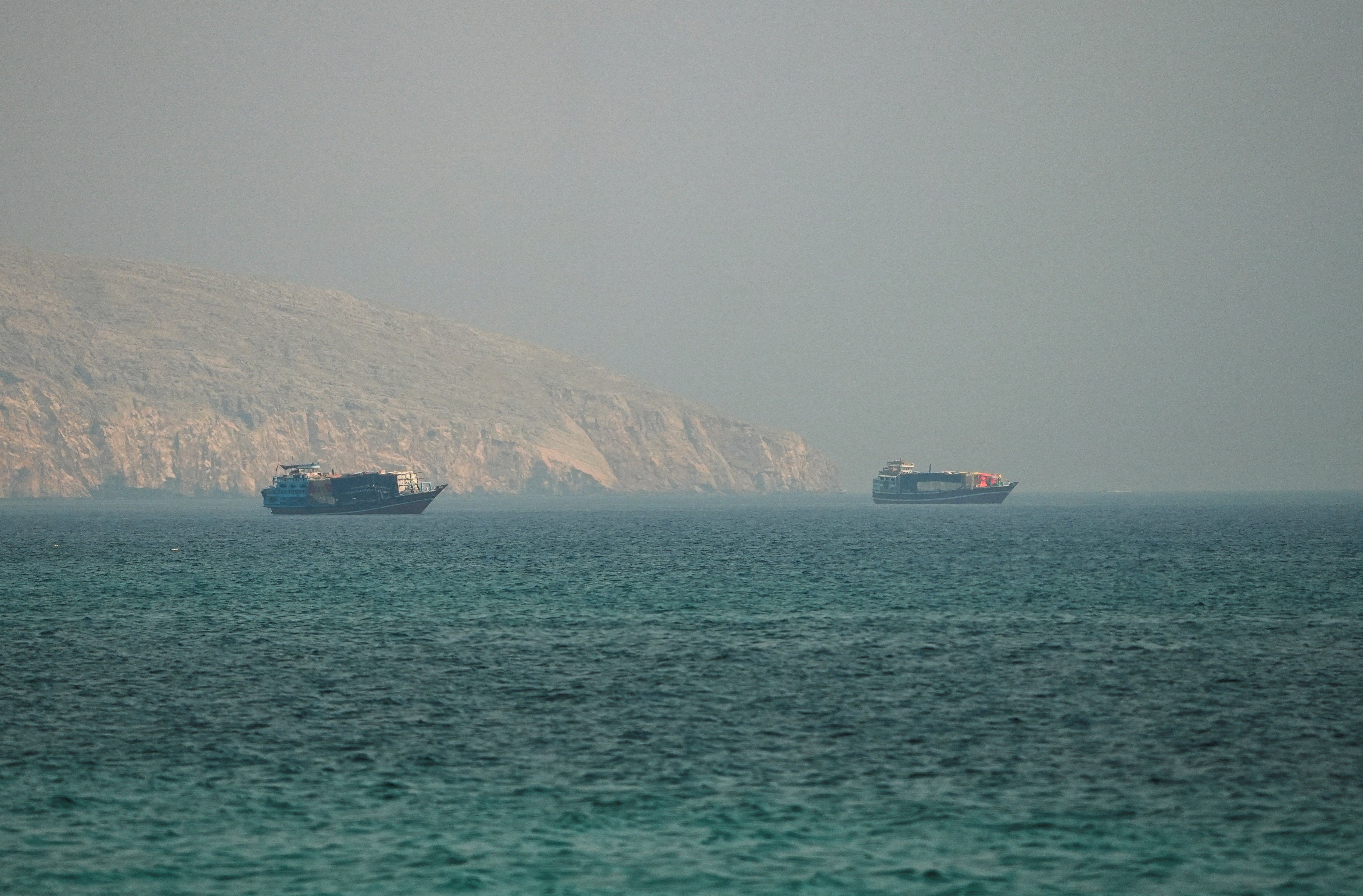
The Iranian Revolutionary Guard Navy announced on Thursday, July 9th, that U.S. airstrikes have halted the gradual reopening of the Strait of Hormuz. This statement follows a second consecutive night of exchanges between the U.S. and Iran. The Revolutionary Guard indicated that transit capacity under Iranian supervision had recovered to approximately 50% of pre-war levels and was being expanded, but only for vessels authorized by Iranian authorities. They also warned of an "overwhelming response" to any further U.S. actions. The Strait of Hormuz, a vital maritime corridor connecting the Persian Gulf to the Gulf of Oman, previously handled about 20% of global oil and gas trade. U.S. Central Command (Centcom) forces conducted a new series of strikes on Wednesday, July 8th, targeting around 90 strategic Iranian sites along the coast. This followed an earlier operation on Tuesday, July 7th, where Centcom bombed approximately 80 military targets, including over 60 small vessels belonging to the Islamic Revolutionary Guard Corps, bringing the total to 170 targets over two days. These strikes reportedly destroyed or damaged air defense systems, coastal surveillance assets, missile and drone storage sites, naval capabilities, and military logistics infrastructure across five Iranian provinces, resulting in at least 14 deaths and 78 injuries according to Iranian government figures. In retaliation, Iran launched coordinated drone attacks against U.S. strategic facilities in the Persian Gulf region, including Patriot air defense systems in Kuwait, a satellite communication antenna in Qatar, and U.S. Army fuel depots in Bahrain. The Revolutionary Guard also claimed to have fired 10 ballistic missiles at the Azraq military base in Jordan, though Jordan reported intercepting eight missiles with no casualties or damage. Concurrently, Iran held public funeral ceremonies for its Supreme Leader, Ali Khamenei, who was reportedly killed in the conflict. U.S. President Donald Trump declared on Wednesday that the peace deal with Tehran was "over," stating he no longer wished to engage with Iran and describing its leadership as "sick" and its people as "mean and violent."
The escalating military actions between the U.S. and Iran, centered on the critical Strait of Hormuz, highlight the complex geopolitical incentives and risks inherent in controlling vital global trade routes. The U.S. strikes, framed as a response to Iranian aggression against commercial shipping, aim to degrade Iran's military capabilities and deter future attacks. Iran's counterclaims of disrupted reopening efforts and retaliatory strikes suggest a strategy to assert sovereignty and project power, potentially leveraging the Strait's strategic importance for political leverage. The concurrent death of Iran's Supreme Leader, Ali Khamenei, introduces an unpredictable element, potentially leading to shifts in Iranian leadership and foreign policy. The U.S. President's pronouncements on the "end" of a peace deal reflect a hardening stance, increasing the potential for miscalculation and further escalation. The situation underscores the fragility of regional stability and the persistent challenge of managing state-sponsored maritime security in a volatile geopolitical landscape, particularly as global energy markets remain sensitive to disruptions in this key waterway.
AI-generated to prompt reflection — not editorial opinion, not advice, not a statement of fact. How this works.