US Allies Criticize Tariffs Tied to Forced Labor Allegations
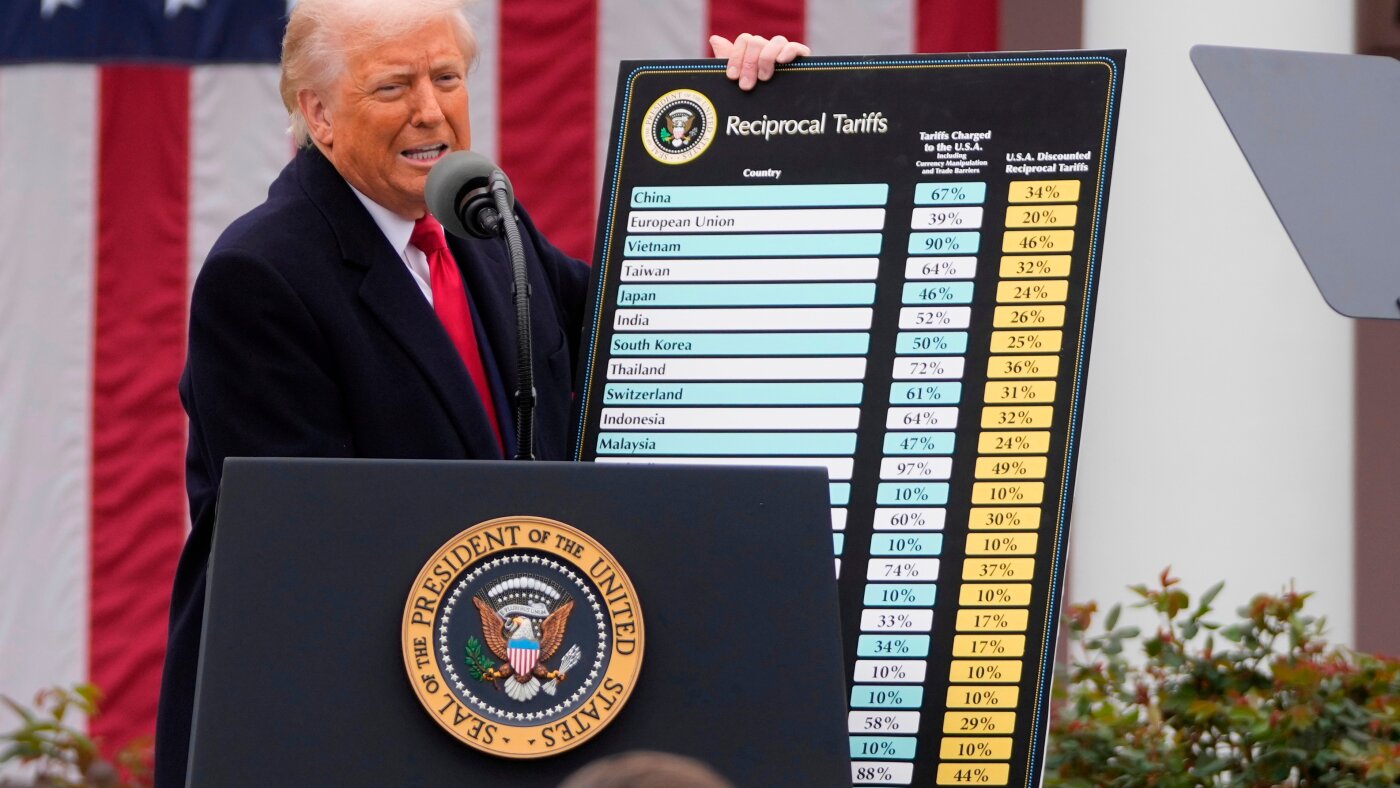
Australia and the European Union have voiced strong objections to new tariffs imposed by the United States. These trade partners have condemned the U.S. action, which is reportedly linked to allegations of forced labor. The specifics of the tariffs and the exact nature of the forced labor claims were not detailed in the provided information. However, the response from key U.S. allies indicates significant friction in international trade relations. This development raises questions about the justification and impact of the U.S. tariffs on its trading partners. The objections suggest a disagreement over the evidence or the application of these trade measures. Further details are needed to understand the full scope of the dispute and its potential ramifications.
The imposition of tariffs by the U.S. on its allies, ostensibly linked to forced labor concerns, presents a complex interplay of trade policy and geopolitical strategy. While addressing forced labor is a stated objective, the unilateral application of tariffs can strain international alliances and potentially disrupt global supply chains. This approach may reflect a broader U.S. strategy to leverage trade as a tool for enforcing international norms or to protect domestic industries. However, such measures can also invite retaliatory actions and may be perceived by allies as protectionist rather than purely ethical. The effectiveness of tariffs in achieving their stated goals, versus their impact on diplomatic relations and economic stability, warrants careful consideration of alternative, collaborative approaches to addressing human rights issues in trade.
AI-generated to prompt reflection — not editorial opinion, not advice, not a statement of fact. How this works.