US Ambassador Defends Italy's Meloni Amid Trump Criticism
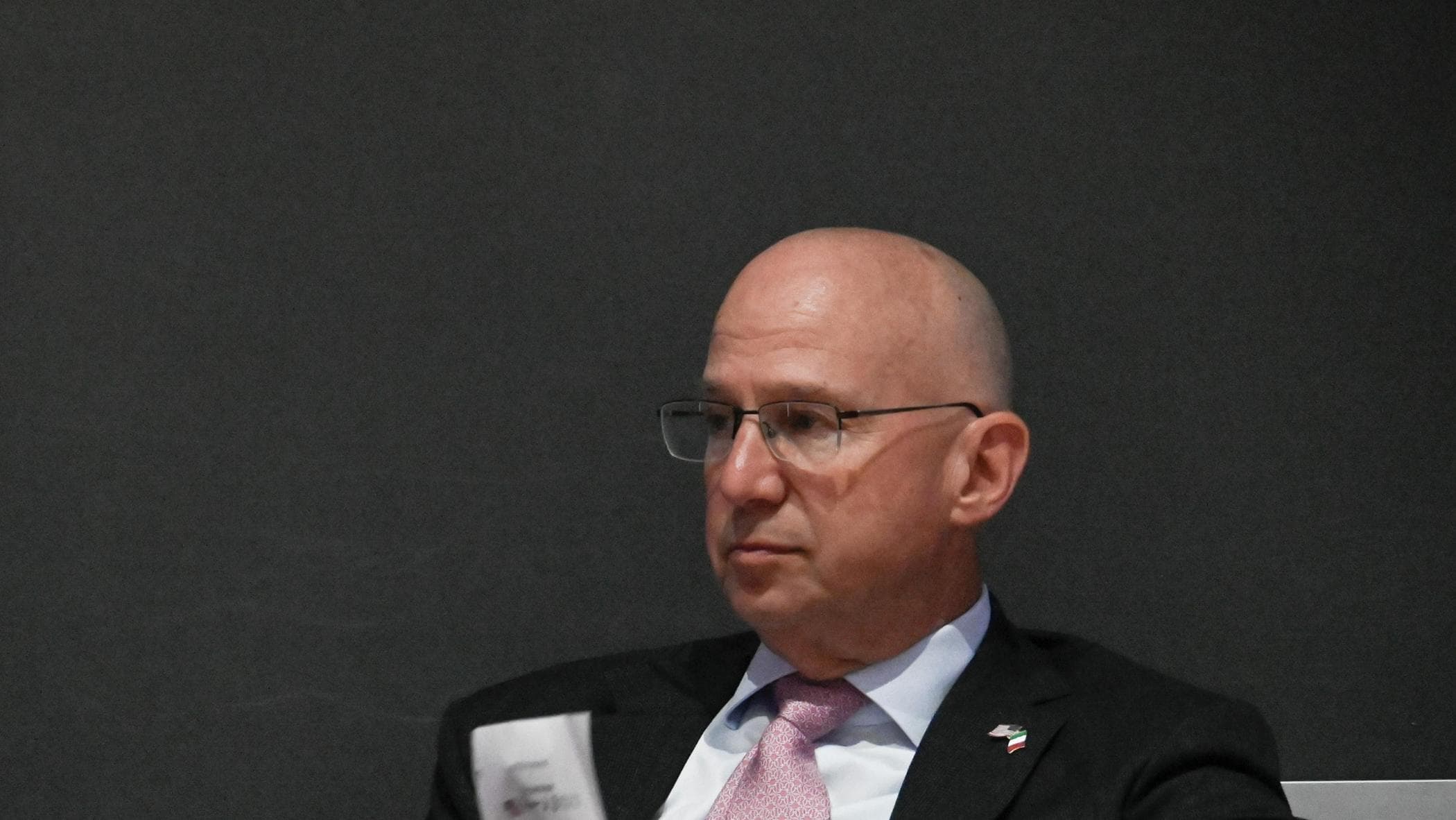
The U.S. Ambassador to Italy, Jack Markell, has expressed confusion over former President Donald Trump's criticisms of Italian Prime Minister Giorgia Meloni. Markell stated that he does not understand Trump's reasoning, emphasizing that Meloni could serve as a valuable intermediary between Trump and European leaders. The ambassador, appointed by the Biden administration, highlighted Meloni's potential role in fostering dialogue and cooperation with European counterparts. This defense comes amid reported tensions or disagreements between Trump and Meloni, though the specifics of these were not detailed in the original report. Markell's comments underscore the strategic importance of Italy within the European political landscape and its potential to bridge transatlantic divides. He indicated that Meloni is an ally whose position and influence are recognized by the current U.S. administration.
The U.S. Ambassador's remarks highlight the complex geopolitical dynamics at play, particularly concerning transatlantic relations and the evolving role of Italy under Prime Minister Meloni. From an incentive structure perspective, the U.S. administration, represented by Ambassador Markell, appears to be strategically positioning Italy as a key partner for engagement with Europe. This approach likely aims to leverage Italy's influence to foster greater European unity and cooperation on shared challenges, potentially counteracting fragmentation. The intervention also implicitly addresses the unpredictable nature of former President Trump's foreign policy stance, suggesting a need for stable alliances and reliable intermediaries. In the context of the next decade, as global power structures continue to shift and technological advancements reshape international relations, the ability of leaders like Meloni to act as bridges between different political factions and continents will become increasingly critical for navigating complex global issues.
AI-generated to prompt reflection — not editorial opinion, not advice, not a statement of fact. How this works.