US and China Clash at the UN Over Sanctions and Middle East Stability
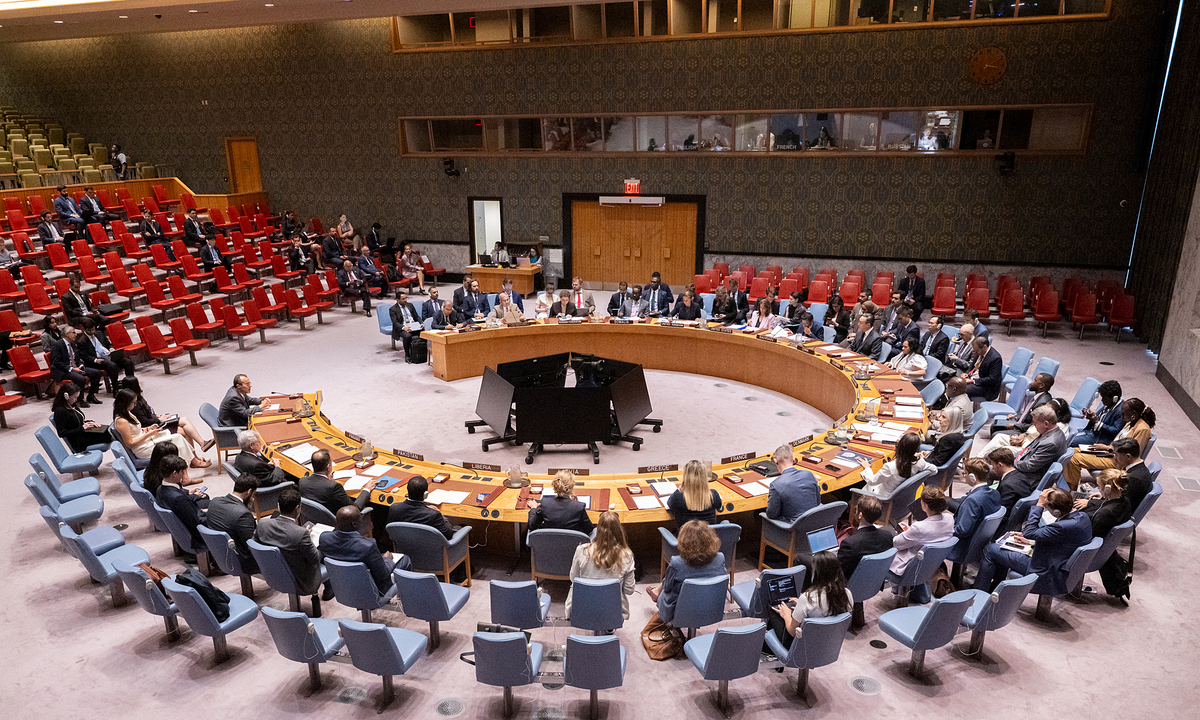
The United States has accused China of violating United Nations arms embargoes. The accusation was made during a session at the United Nations, highlighting ongoing tensions between the two global powers. In response, Beijing has leveled its own accusations against Washington. China claims that the United States is pushing the Middle East towards a "dangerous precipice." This exchange underscores significant disagreements between the US and China regarding international sanctions and regional security. The UN serves as a platform where these geopolitical disputes are voiced and debated. The specific details of the alleged arms embargo violations by China were not provided in the original report. Similarly, the exact nature of China's claims about US actions in the Middle East remains unspecified. The confrontation reflects broader strategic competition and differing approaches to global governance and conflict resolution.
The verbal confrontation at the UN between the US and China over arms embargoes and Middle East stability reflects the inherent challenges in enforcing international law when major powers have competing strategic interests. The US accusation of embargo violations points to potential enforcement gaps and the complexities of global supply chains. China's counter-accusation regarding the Middle East suggests a divergence in perceived threats and preferred diplomatic solutions, potentially driven by differing economic and security incentives. This dynamic highlights the difficulty of achieving consensus on critical global issues within multilateral frameworks, particularly when geopolitical rivalry is a dominant factor. Future efforts to strengthen international norms may need to address these systemic tensions by fostering greater transparency and accountability mechanisms that are acceptable to all major stakeholders.
AI-generated to prompt reflection — not editorial opinion, not advice, not a statement of fact. How this works.