US and China Lead Global Race for Nuclear Fusion Energy
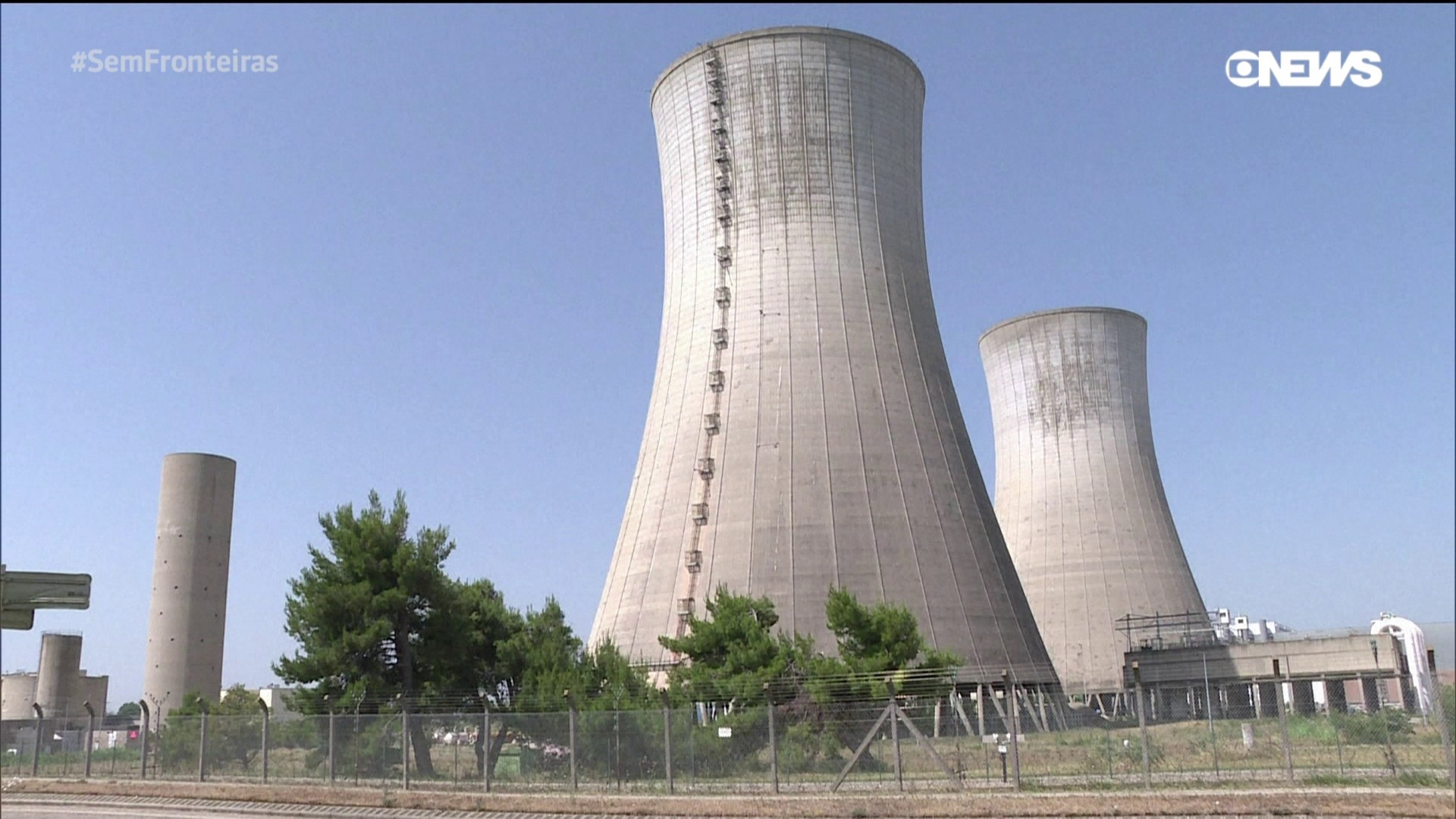
The world is witnessing an unprecedented race for technological leadership in nuclear fusion, a potential source of massive, greenhouse gas-free energy. Despite uncertainties about economic viability, billions of dollars are being invested by governments, companies, and private investors. Private investment in the sector surged in the second half of 2025, with 85% concentrated in China and the United States. Global investments reached $13 billion (R$ 67 billion), a 30% increase, according to a report by the EU's Fusion for Energy (F4E) organization. The International Energy Agency (IEA) estimates the fusion energy sector could reach over $350 billion by 2050, driven by growing energy demand, partly due to AI data centers. Fusion technology works by merging light atomic nuclei to release heat, which can generate electricity independent of weather, with secure supply and no fossil fuels or greenhouse gas emissions. Unlike conventional nuclear fission, fusion poses lower accident risks and produces less hazardous radioactive waste. However, some experts doubt its development will be fast enough for Europe to meet its climate goals. While large state-funded projects like ITER continue, numerous startups are emerging globally, with 77 companies aiming for market maturity. The United States leads with 42 startups, followed by China with 8 and the UK with 6. Germany has 4 startups in this field. Private investment, excluding public funds, reached approximately €13 billion by the end of 2025, with 53% going to US companies and about a third to Chinese firms. Major tech companies like Google are investing heavily, supporting US firms TAE Technologies and Commonwealth Fusion Systems (CFS), while Microsoft has energy purchase agreements with Helion Energy, which is also backed by OpenAI CEO Sam Altman. Germany views fusion as a key future technology, pledging over €2 billion in public investment, though startups note the need for more long-term resources.
The global pursuit of nuclear fusion energy highlights a significant technological and economic race, with the US and China emerging as dominant players in attracting private investment. This dynamic suggests a divergence in national strategies, with the US relying more on private capital and large tech firms, while China appears to leverage substantial state investment alongside private sector growth. The immense capital required and the long development timelines present a challenge for achieving climate goals in the near to medium term, prompting questions about the role of fusion in current energy transition strategies. As fusion technology advances, the development of robust supply chains and scalable manufacturing processes, as emphasized by German researchers, will be critical for its commercialization. The increasing demand for energy, particularly from data centers supporting AI, underscores the strategic importance of developing novel, high-density energy sources, positioning fusion as a potential long-term solution to global energy needs and climate concerns.
AI-generated to prompt reflection — not editorial opinion, not advice, not a statement of fact. How this works.