US and China Vie to Export Competing AI Governance Models Globally
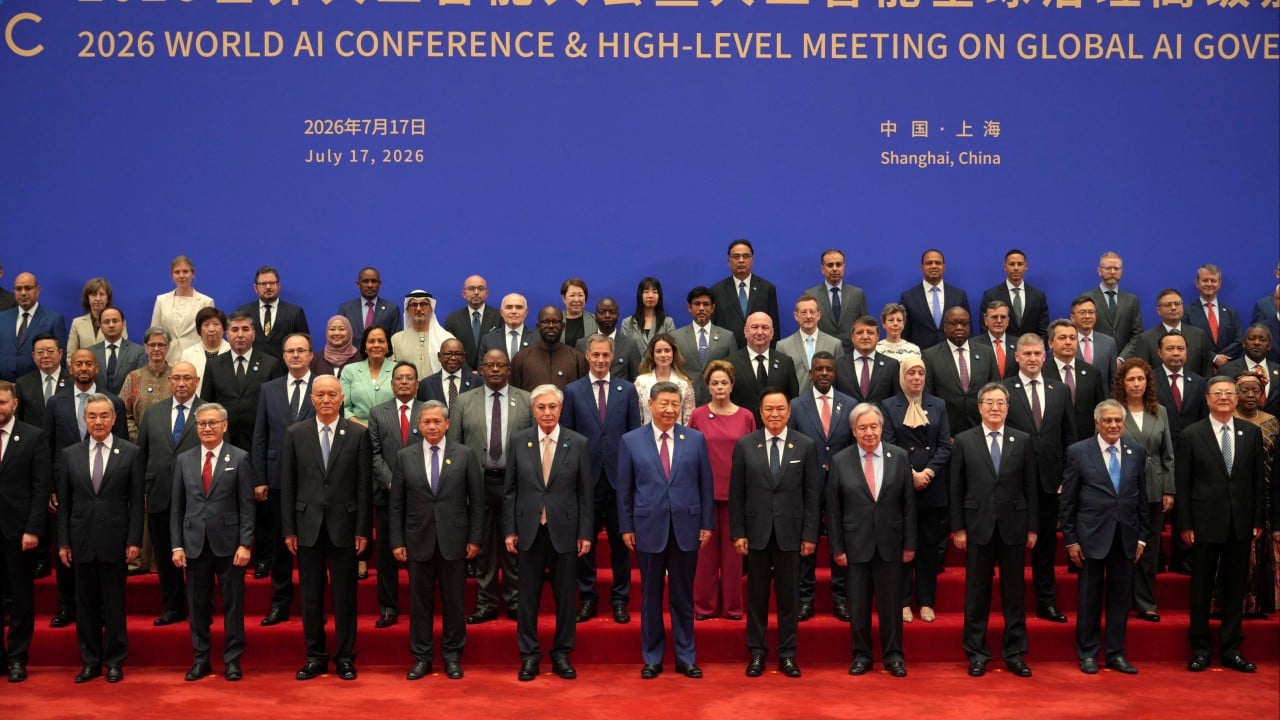
The global competition for artificial intelligence dominance has evolved into a direct struggle over competing governance frameworks. Both the United States and China are actively promoting their distinct models of technology development, funding, and regulation to nations worldwide. In Burkina Faso, for instance, a US-sponsored initiative is training young people in Ouagadougou on digital technology and AI, aiming to build local expertise aligned with the American tech ecosystem. This reflects a broader strategy by both superpowers to shape the future of AI development and deployment according to their respective visions. The contest extends beyond mere technological advancement, encompassing ideological differences in how AI should be managed and integrated into society. Nations are increasingly faced with choices between these two powerful, yet divergent, approaches to AI governance. The outcome of this rivalry could significantly influence the global technological landscape and the ethical standards applied to artificial intelligence in the coming years. Both countries are leveraging their economic and diplomatic influence to gain allies and establish their preferred norms in this critical emerging field.
The intensifying US-China rivalry in AI governance highlights a fundamental divergence in national approaches to technological development and its societal implications. The US model often emphasizes open innovation, private sector leadership, and a relatively decentralized regulatory environment, while China's approach tends to favor state-led development, centralized control, and rapid deployment for national strategic goals. This competition to export governance visions presents a critical juncture for developing nations, forcing them to navigate the trade-offs between access to advanced technology and the adoption of potentially restrictive or surveillance-oriented frameworks. The long-term impact will likely be a bifurcated global AI landscape, with varying standards and interoperability challenges, potentially hindering global collaboration while accelerating innovation within distinct geopolitical blocs. Understanding the underlying incentive structures driving each nation's strategy is crucial for assessing the future trajectory of AI ethics and its integration into the global economy.
AI-generated to prompt reflection — not editorial opinion, not advice, not a statement of fact. How this works.