US and Iran Clash Again Near Strait of Hormuz, Threatening Global Fuel Supply
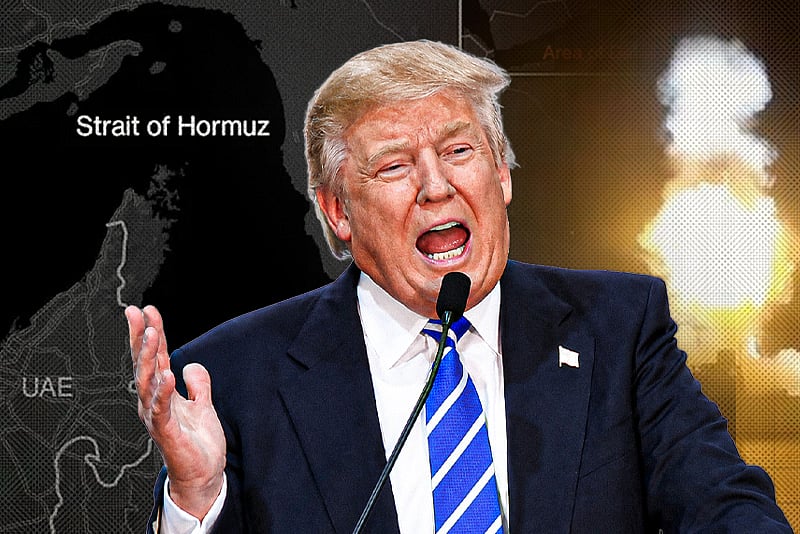
The United States and Iran are once again facing off amidst military tensions surrounding the Strait of Hormuz. This renewed confrontation has led to a decrease in maritime traffic due to retaliatory attacks, heightening concerns within the global energy markets. The situation in the Middle East is becoming increasingly volatile as these two powers engage in actions that directly impact international shipping lanes. The Strait of Hormuz is a critical chokepoint for global oil transportation, making any disruption there a significant concern for worldwide energy security. The escalating tensions raise questions about the potential for further escalation and its broader implications for regional stability and the global economy. The international community is watching closely as the situation unfolds, with particular attention on how these events might affect the price and availability of oil. The frequency of such incidents underscores the precariousness of the geopolitical landscape in this vital region. Further developments are expected as both nations continue their military posturing.
The recurring military confrontations between the United States and Iran near the Strait of Hormuz highlight the persistent geopolitical friction in the region. These events create significant market volatility for global energy supplies, driven by the strategic importance of this waterway for oil transit. The dynamic suggests a pattern where security concerns and national interests lead to actions that inadvertently increase systemic risk for international trade and energy markets. Future policy considerations might involve exploring de-escalation mechanisms or alternative energy routes to mitigate the impact of such recurring tensions on the global economy. The long-term implications point towards the need for sustainable diplomatic solutions that address the underlying causes of conflict and ensure the stability of critical global chokepoints.
AI-generated to prompt reflection — not editorial opinion, not advice, not a statement of fact. How this works.