US and Iran Employ Dual Strategy of Talks and Strikes in a Novel Ceasefire Approach
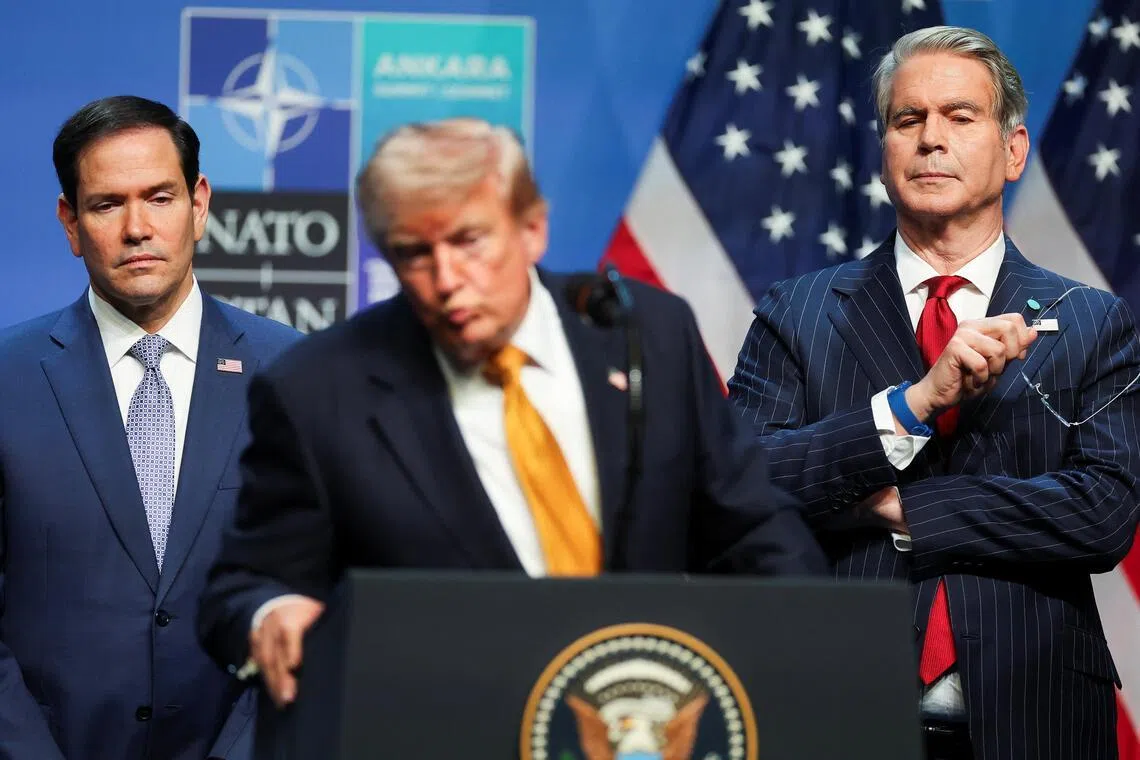
The United States and Iran appear to be employing a novel approach to managing their relationship, characterized by a dual strategy that intertwines diplomatic talks with military actions. This approach suggests that both dialogue and strikes are not contradictory but rather complementary instruments within a broader process aimed at de-escalation or control.
This dynamic implies a complex interplay where overtures for negotiation might occur alongside or in response to kinetic actions. Such a strategy could be designed to exert pressure, signal resolve, or test boundaries while maintaining a channel for communication. The effectiveness and ultimate goals of this dual approach remain subjects of ongoing observation and analysis, as it deviates from more traditional diplomatic or confrontational postures.
The described US-Iran dynamic suggests a complex strategic calculus where diplomatic engagement and military posturing are integrated. This approach may reflect an attempt to manage escalation risks by maintaining communication channels while simultaneously signaling capabilities and resolve through kinetic actions. Such a strategy could be influenced by domestic political considerations, regional power balances, and the perceived utility of coercive diplomacy. The long-term efficacy of this dual approach will likely depend on the clarity of objectives, the consistency of execution, and the reciprocal responses from both parties, potentially shaping future frameworks for statecraft in volatile geopolitical environments.
AI-generated to prompt reflection — not editorial opinion, not advice, not a statement of fact. How this works.