US and Iran Engage in Fifth Day of Strikes; Trump Issues Warning
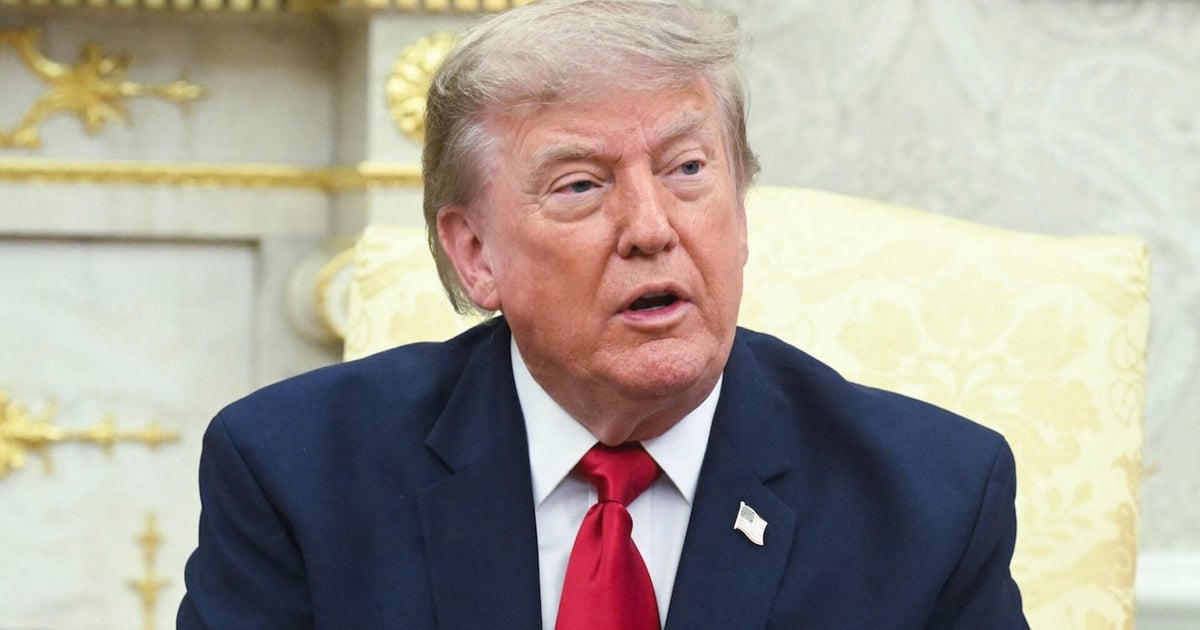
The United States conducted consecutive strikes against Iran on Wednesday, extending a series of attacks for the fifth consecutive day. This escalation marks a significant development in the ongoing tensions between the two nations. Details regarding the specific targets or the immediate impact of Wednesday's strikes were not provided. The exchange of hostilities has now persisted for nearly a week. President Donald Trump commented on the situation, issuing a stern warning to Iran, stating, "they better behave." This statement underscores the administration's stance and its expectations for de-escalation or compliance from Iran. The full implications of these repeated military actions and President Trump's warning remain to be seen, as the situation continues to unfold.
The sustained military exchanges between the U.S. and Iran over five consecutive days suggest a potentially escalating cycle of actions and reactions, driven by complex geopolitical and security considerations. The presidential warning indicates a strategic communication aimed at influencing Iranian behavior, leveraging deterrence. This pattern of engagement, characterized by direct strikes, merits analysis through the lens of international relations theory, particularly concerning power dynamics and conflict resolution. Future developments will likely be shaped by the perceived effectiveness of these strikes in achieving stated objectives, the potential for unintended escalation, and the broader regional stability implications within the next decade, especially as global powers navigate evolving security architectures.
AI-generated to prompt reflection — not editorial opinion, not advice, not a statement of fact. How this works.