US and Iran Escalate Attacks, Oil Prices Rise as Ceasefire Fails
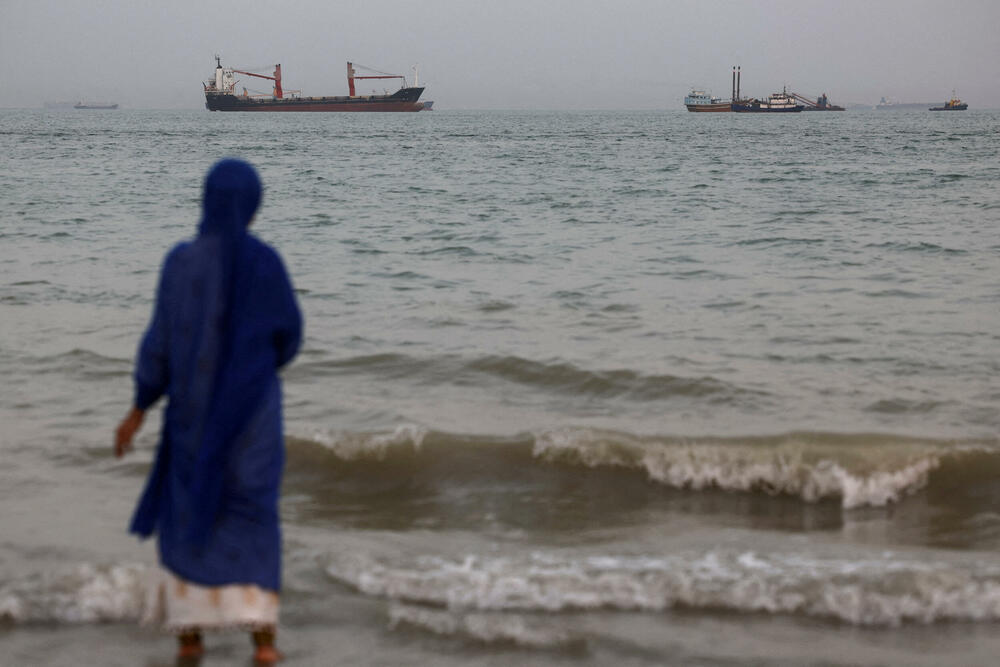
Renewed escalations in attacks between the United States and Iran have led to an increase in oil prices. A temporary ceasefire memorandum has reportedly failed. The conflict has intensified with an attack on a tanker in the Strait of Hormuz. The US military command has indicated a response to these actions. This development signifies a significant setback for efforts to de-escalate tensions in the region.
The renewed exchange of hostilities between the US and Iran, particularly involving maritime assets in the Strait of Hormuz, highlights the persistent geopolitical instability in the region. The resulting surge in oil prices underscores the critical role of this chokepoint in global energy markets and the interconnectedness of regional conflicts with international economic stability. The failure of a temporary ceasefire suggests deep-seated mistrust and potentially competing strategic objectives that impede diplomatic resolutions. Future developments will likely hinge on the strategic calculus of both nations, the efficacy of international diplomatic efforts, and the potential for broader regional involvement, all within the context of evolving global energy demands and supply chain vulnerabilities.
AI-generated to prompt reflection — not editorial opinion, not advice, not a statement of fact. How this works.