US and Iran Escalate Attacks, Oil Prices Surge Amidst Ongoing Conflict
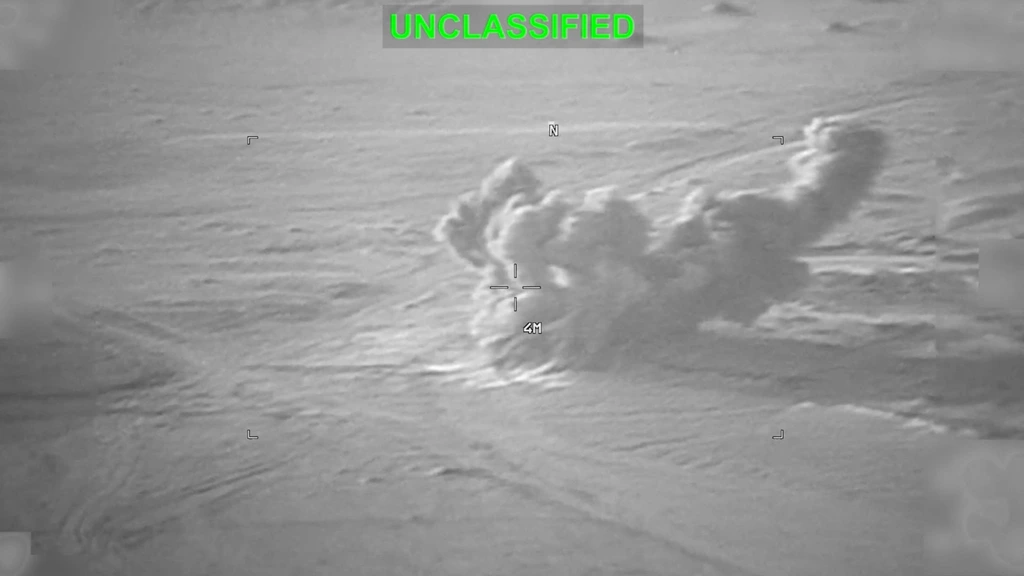
The United States and Iran have continued their cycle of attacks for the ninth consecutive night, leading to a further increase in oil prices. The US targeted Iranian military command centers, air defense sites, and communication networks, according to CENTCOM. Iranian state media confirmed explosions in the country's south and northwest, with at least one fatality reported in Tabriz. These actions come after recent US military casualties, including one soldier killed in Iraq by a downed Iranian drone and two others who died in an Iranian attack on a military base in Jordan. An anonymous official suggested a third US service member missing from the Jordan incident is likely deceased, though the Pentagon has not confirmed this.
Iran has also engaged in retaliatory strikes, with air raid sirens sounding in Bahrain where the US Navy maintains a base; the Iranian military claimed to have intercepted an attack. Drone attacks were also reported in Kuwait, with explosions heard from anti-aircraft fire. A ship caught fire off the coast of Oman in the Strait of Hormuz, with the Iranian Revolutionary Guard claiming responsibility for attacking tankers in the area. These escalating hostilities have significantly undermined a de-escalation agreement signed by Iran and the US last month, which aimed to end the conflict and reopen the Strait of Hormuz. Despite the ongoing violence, US Secretary of State Rubio stated the US remains open to serious negotiations with Iran, provided that individuals genuinely seeking positive outcomes for Iran lead the discussions. Iran reported at least 50 deaths and 517 injuries from recent US strikes, with 17 US military personnel killed since the conflict began on February 28. The price of Brent crude oil has risen above $90 per barrel, its highest point since early June, due to the disruption of oil shipments through the Strait of Hormuz, which was once a critical route for global oil trade.
The ongoing military exchanges between the United States and Iran, coupled with attacks on allied nations and disruption of vital shipping lanes, highlight a dangerous escalation with significant global economic repercussions, particularly on energy markets. The conflict's impact on oil prices and the Strait of Hormuz, a critical chokepoint for global trade, underscores the systemic risks inherent in geopolitical instability in the region. The stated objectives of both nations, alongside the breakdown of diplomatic agreements, suggest a complex interplay of national security concerns, regional power dynamics, and domestic political considerations influencing their actions. Moving forward, the international community faces the challenge of de-escalating tensions to prevent further economic disruption and potential wider conflict, while also addressing the underlying grievances that fuel the ongoing hostilities.
AI-generated to prompt reflection — not editorial opinion, not advice, not a statement of fact. How this works.