US and Iran Escalate Attacks, Sparking Fears of Wider Conflict
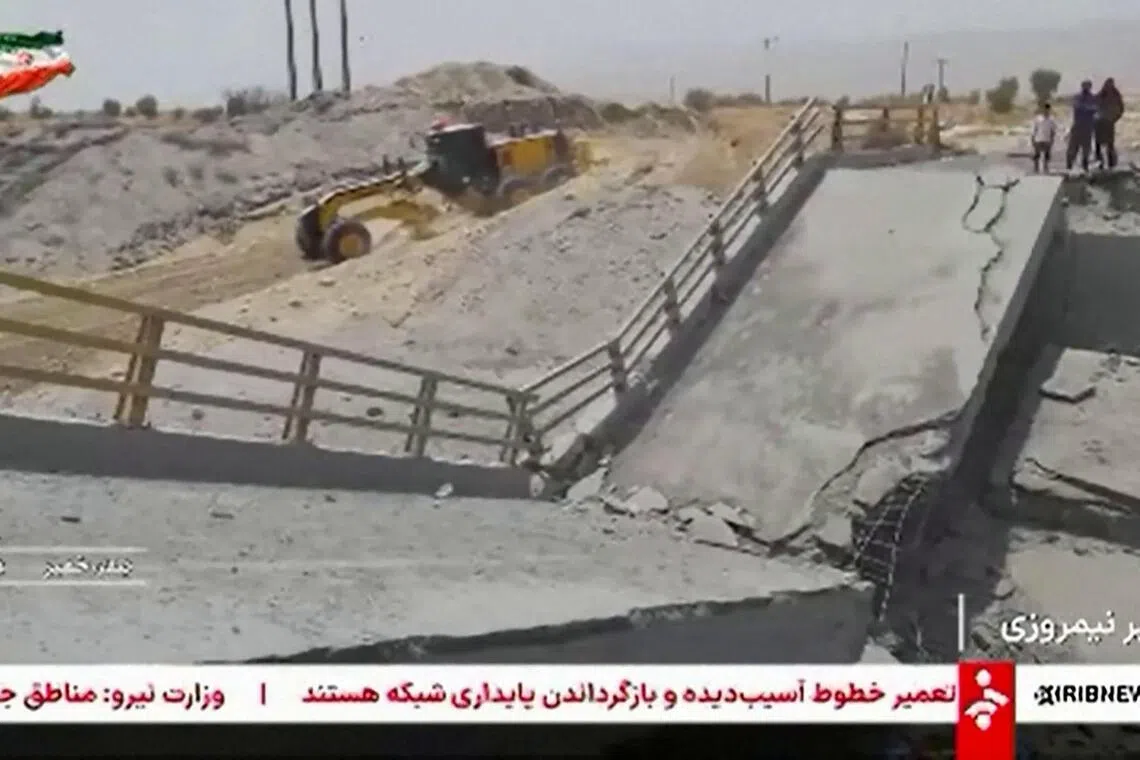
The United States and Iran have engaged in a series of infrastructure attacks, intensifying concerns about a potential escalation of hostilities. This pattern of aggression has emerged since the collapse of their previous ceasefire agreement. Both nations appear to be testing the boundaries of the conflict, raising the stakes for regional stability. The recent actions signal a dangerous trajectory, moving away from diplomatic solutions and towards direct confrontation. The implications of these escalating attacks are significant, potentially impacting global security and economic markets. International observers are closely monitoring the situation, urging de-escalation and a return to dialogue. The breakdown of the ceasefire has created a volatile environment, where miscalculation could lead to a broader conflict. The world watches anxiously as tensions between Washington and Tehran continue to rise.
The escalating infrastructure attacks between the US and Iran, following the collapse of a ceasefire, represent a critical juncture. This pattern suggests a strategic recalibration by both actors, potentially driven by domestic political pressures or regional power dynamics. The testing of escalation limits indicates a willingness to absorb increased risk, but also highlights the inherent instability of a zero-sum approach. Future developments will likely depend on whether diplomatic channels can be reopened to manage these escalating tensions, or if the current trajectory leads to a wider, more destabilizing conflict. The international community faces the challenge of fostering de-escalation without appearing to legitimize the use of force as a primary diplomatic tool.
AI-generated to prompt reflection — not editorial opinion, not advice, not a statement of fact. How this works.