US and Iran Escalate Conflict to Critical Infrastructure
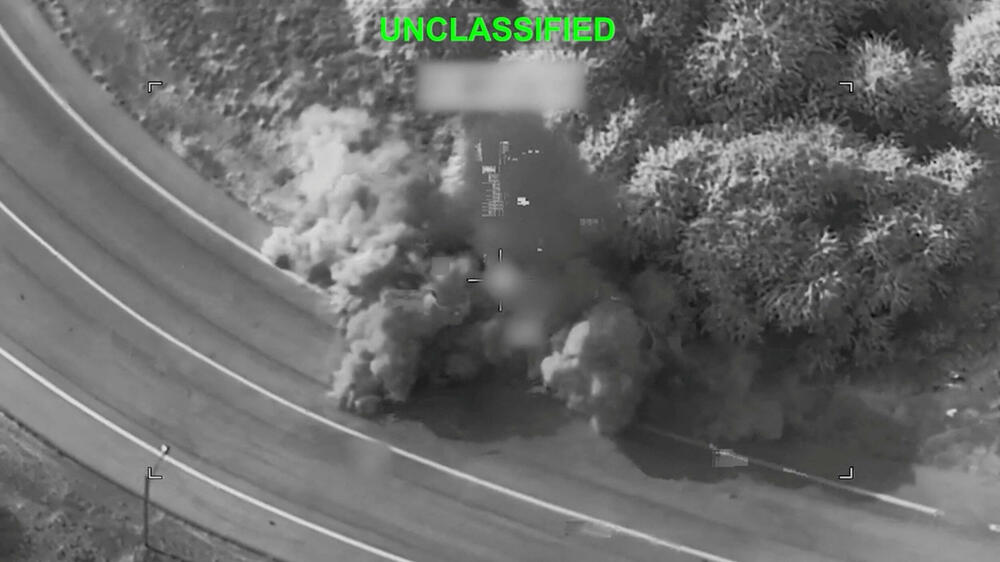
The conflict between the United States and Iran has expanded to include attacks on critical infrastructure, such as bridges, airports, and energy facilities. This escalation poses a significant threat of engulfing the entire region and further disrupting global energy markets. The targeting of these vital assets indicates a deepening of hostilities, moving beyond conventional military engagements. The potential for widespread regional instability is a major concern, with implications for international trade and energy security. The disruption to energy supplies could lead to significant price volatility and shortages worldwide. Both nations appear to be employing strategies that directly impact civilian and economic stability. The situation highlights the risks associated with asymmetric warfare and the targeting of essential services. The international community is watching closely as the conflict's scope widens.
The reported expansion of conflict to critical infrastructure by the US and Iran signifies a dangerous escalation, moving beyond traditional military objectives to directly impact economic stability and regional connectivity. This strategy, while potentially aimed at exerting maximum pressure, carries substantial risks of unintended consequences, including severe global energy market disruption and broader regional destabilization. Such actions necessitate careful consideration of international law and the potential for retaliatory measures that could further entrench the conflict. Looking ahead, the interconnectedness of global energy systems means that localized infrastructure attacks can have far-reaching and unpredictable economic repercussions, underscoring the need for de-escalation and diplomatic solutions to prevent cascading crises.
AI-generated to prompt reflection — not editorial opinion, not advice, not a statement of fact. How this works.