US and Iran Escalate Mideast Hostilities, Jeopardizing Ceasefire
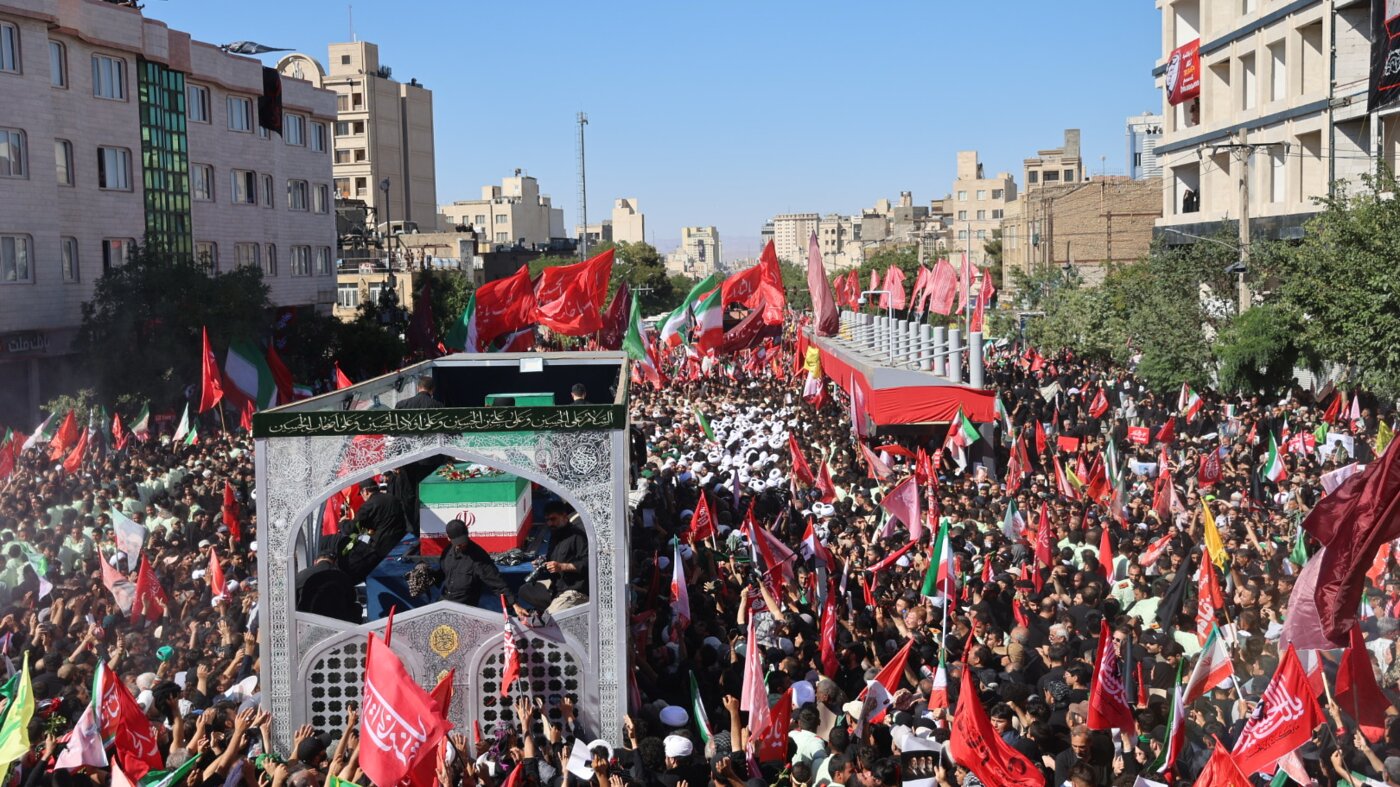
The United States and Iran have engaged in an escalating exchange of fire across the Middle East, significantly jeopardizing a potential ceasefire agreement. These retaliatory attacks have repeatedly undermined the stability of any truce, with Thursday's incidents marking a notable increase in the scale and intensity of the confrontations. The ongoing hostilities raise concerns about broader regional conflict and the potential collapse of diplomatic efforts aimed at de-escalation.
Both nations have been involved in a cycle of actions and reactions, creating a volatile environment that makes maintaining peace increasingly difficult. The intensification of these attacks suggests a hardening of positions and a potential shift away from dialogue. The international community is closely monitoring the situation, urging restraint from both sides to prevent further escalation and protect the fragile peace in the region.
The escalating military exchanges between the U.S. and Iran in the Middle East represent a critical juncture, testing the resilience of regional security frameworks. Such confrontations often stem from complex geopolitical rivalries, proxy conflicts, and competing strategic interests, creating a volatile feedback loop. The repeated threats to ceasefire agreements highlight the challenges in de-escalating tensions when underlying political grievances remain unresolved. Moving forward, a durable resolution will likely require addressing the root causes of these disputes through sustained diplomatic engagement, alongside de-escalatory measures that build confidence and reduce the risk of miscalculation. The international community's role in facilitating dialogue and promoting stability will be crucial in navigating this precarious situation.
AI-generated to prompt reflection — not editorial opinion, not advice, not a statement of fact. How this works.