US and Iran Escalate Military Actions After Cease-Fire Deal Collapse
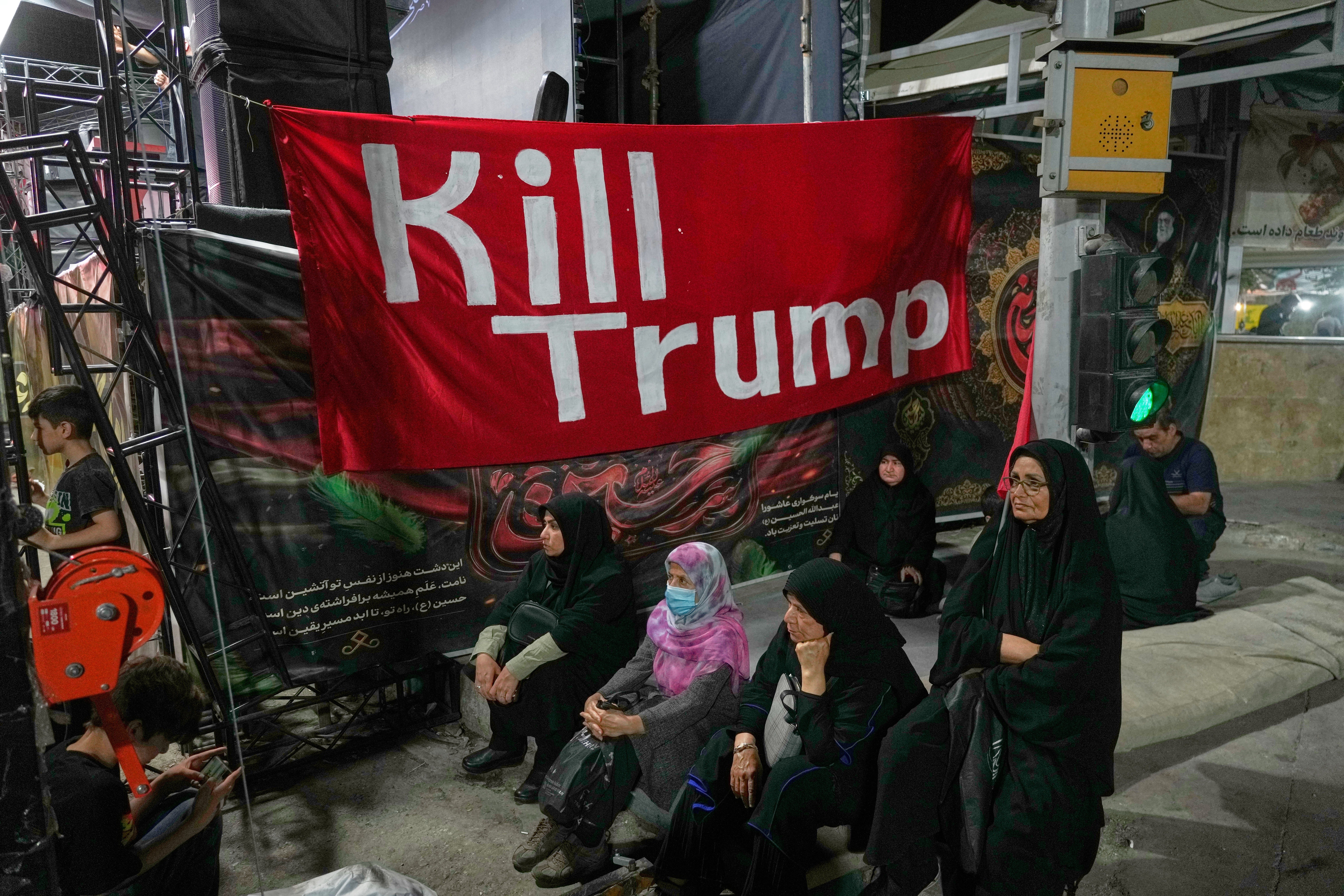
The United States and Iran have engaged in a significant military escalation following the failure of a cease-fire agreement brokered in June. On Friday, July 17, 2026, the U.S. targeted bridges within Iran, while Tehran retaliated by striking a power and desalination plant in Kuwait. This exchange marks a dangerous new phase, raising concerns about a potential open conflict, reminiscent of clashes in March and April. The renewed hostilities have disrupted energy supplies from the Persian Gulf, with U.S. Marines boarding a tanker near the Strait of Hormuz. Simultaneously, armed individuals seized another vessel off the coast of Yemen, heightening security worries in the Red Sea, another critical oil transit chokepoint.
Iran's Revolutionary Guard Navy reportedly "attacked" a Thai-flagged ship attempting to cross the Strait of Hormuz, according to the semi-official Tasnim news agency. U.S. Central Command stated its targets were "military logistical infrastructure," and that strikes on Iran had continued for a seventh consecutive night. Iranian state media reported that at least five bridges were hit in southern Iran, resulting in seven reported deaths in Bandar Khamir, where a railway station was also struck. An airport in Iranshahr, near the Pakistan border, was also reportedly hit. Iran announced attacks on countries hosting U.S. air bases, including Bahrain, Qatar, and Kuwait, and a U.S. vessel in the northern Indian Ocean. Kuwait reported damage to a power and desalination plant due to an Iranian attack, causing a fire and disrupting electricity generation. The UN Secretary-General António Guterres expressed concern over the escalating attacks on civilian infrastructure.
The escalating military actions between the U.S. and Iran, following the collapse of a cease-fire, highlight the fragility of regional stability and the complex geopolitical incentives at play. The targeting of civilian infrastructure, such as power and desalination plants, by both sides, despite official claims of targeting military assets, risks severe humanitarian consequences and broadens the scope of conflict beyond direct military confrontation. This pattern suggests a strategic calculus where economic and civilian infrastructure become leverage points, potentially aimed at influencing domestic political pressures, such as upcoming elections for the U.S. president, or demonstrating resolve to regional adversaries. The international community, represented by the UN's expressed concern, faces the challenge of de-escalation without appearing to favor one party, while navigating the inherent risks of miscalculation in a highly volatile environment. The long-term implications involve the potential for wider regional destabilization, further disruption of global energy markets, and the entrenchment of a confrontational posture that hinders diplomatic solutions and sustainable peace in the coming decade.
AI-generated to prompt reflection — not editorial opinion, not advice, not a statement of fact. How this works.