US and Iran Escalate Tensions in Strait of Hormuz After Tanker Attacks
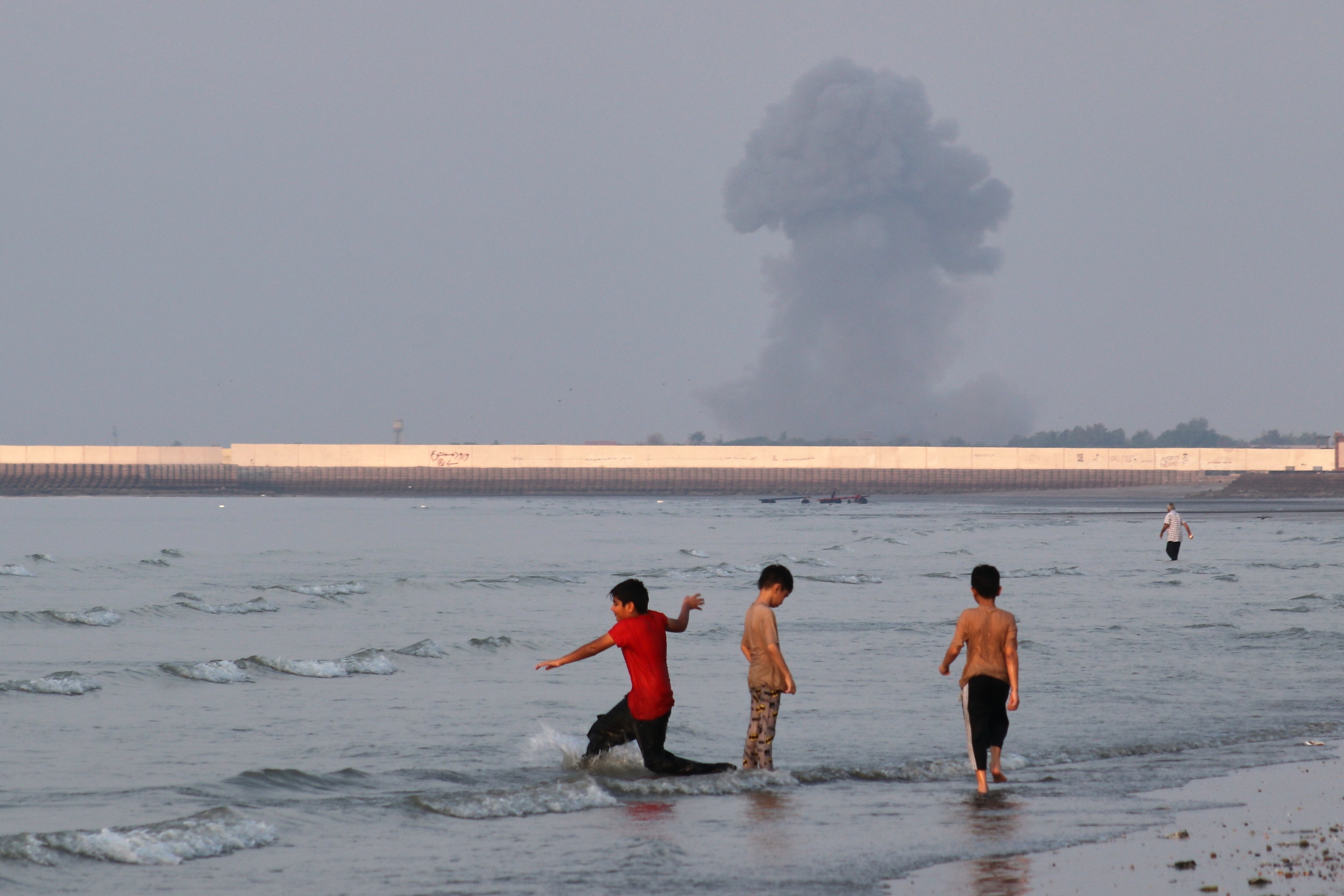
The United States and Iran have returned to open conflict following a week of escalating confrontations in the Strait of Hormuz. Attacks on oil tankers have resulted in the death of one sailor and injuries to eight others. This renewed conflict raises concerns about its potential to spread further into the Red Sea and Iraq. The incidents underscore the volatile security situation in a critical global shipping lane.
The ongoing hostilities highlight the persistent geopolitical tensions between the two nations, particularly concerning maritime security and regional influence. The involvement of oil tankers suggests a direct impact on global energy supplies, which could have significant economic repercussions. The possibility of the conflict widening to neighboring regions like the Red Sea and Iraq indicates a broader destabilization risk.
The recent escalation in the Strait of Hormuz, marked by attacks on oil tankers, signifies a critical juncture in US-Iran relations. The incidents, resulting in casualties and potential disruption to global energy flows, highlight the inherent risks associated with geopolitical flashpoints. The strategic importance of the Strait of Hormuz as a chokepoint for oil transport means that such confrontations carry significant global economic implications. Future de-escalation will likely depend on diplomatic efforts to manage regional rivalries and ensure freedom of navigation, while also addressing the underlying security concerns that fuel these recurring tensions.
AI-generated to prompt reflection — not editorial opinion, not advice, not a statement of fact. How this works.