US and Iran Exchange Heavy Fire Near Strait of Hormuz
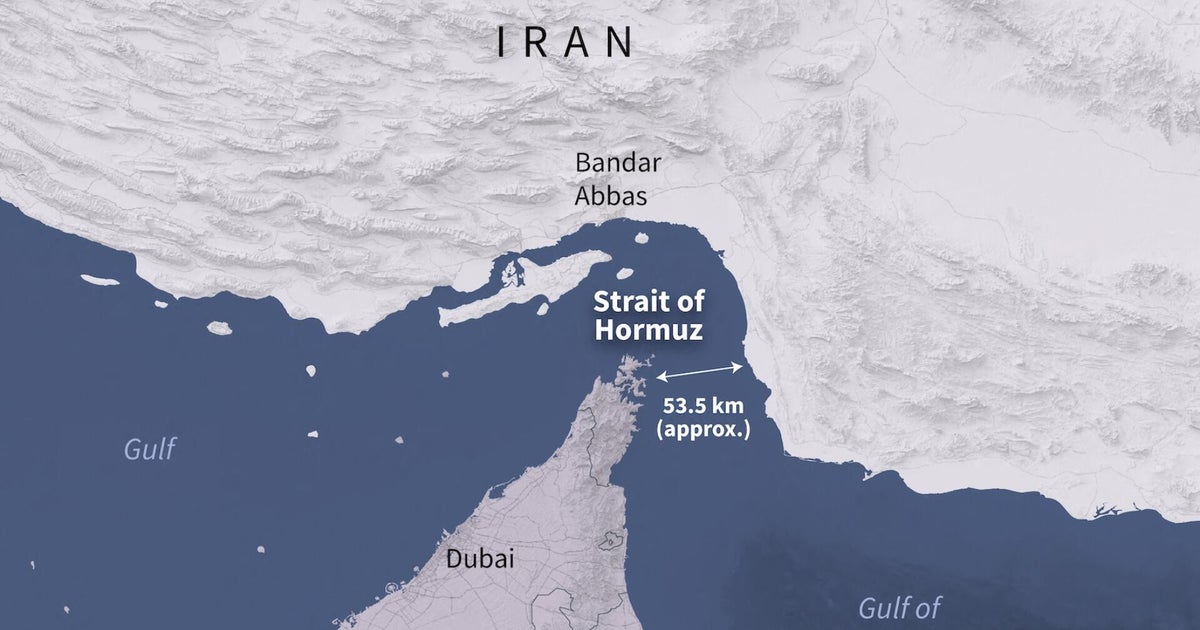
The United States and Iran engaged in their most significant military exchanges this week since a fragile ceasefire was established just over three weeks prior. The intensified hostilities occurred in the vicinity of the Strait of Hormuz, a critical chokepoint for global oil trade. The nature and specific locations of the U.S. strikes along the strait were detailed by CBS News national security analyst Aaron MacLean. This escalation marks a concerning development following a period of relative calm. The ceasefire, though fragile, had offered a brief respite from escalating tensions in the region. The renewed confrontation raises questions about the stability of the current truce and the potential for further conflict. Observers are closely monitoring the situation for any signs of de-escalation or further military action. The strategic importance of the Strait of Hormuz means any disruption there can have far-reaching global economic consequences.
The exchange of heavy strikes between the U.S. and Iran near the Strait of Hormuz, following a recent ceasefire, highlights the persistent volatility in a strategically vital region. This event underscores the challenges of maintaining de-escalation when underlying geopolitical incentives and security concerns remain unaddressed. The proximity to the Strait of Hormuz amplifies the potential for wider economic disruption, impacting global energy markets. Future stability will likely depend on the ability of both nations to manage immediate provocations while addressing the systemic drivers of conflict, possibly through renewed diplomatic engagement or revised security architectures that account for regional power dynamics and international maritime interests.
AI-generated to prompt reflection — not editorial opinion, not advice, not a statement of fact. How this works.