US and Iran Exchange Strikes Following Ship Attack, Threatening Ceasefire
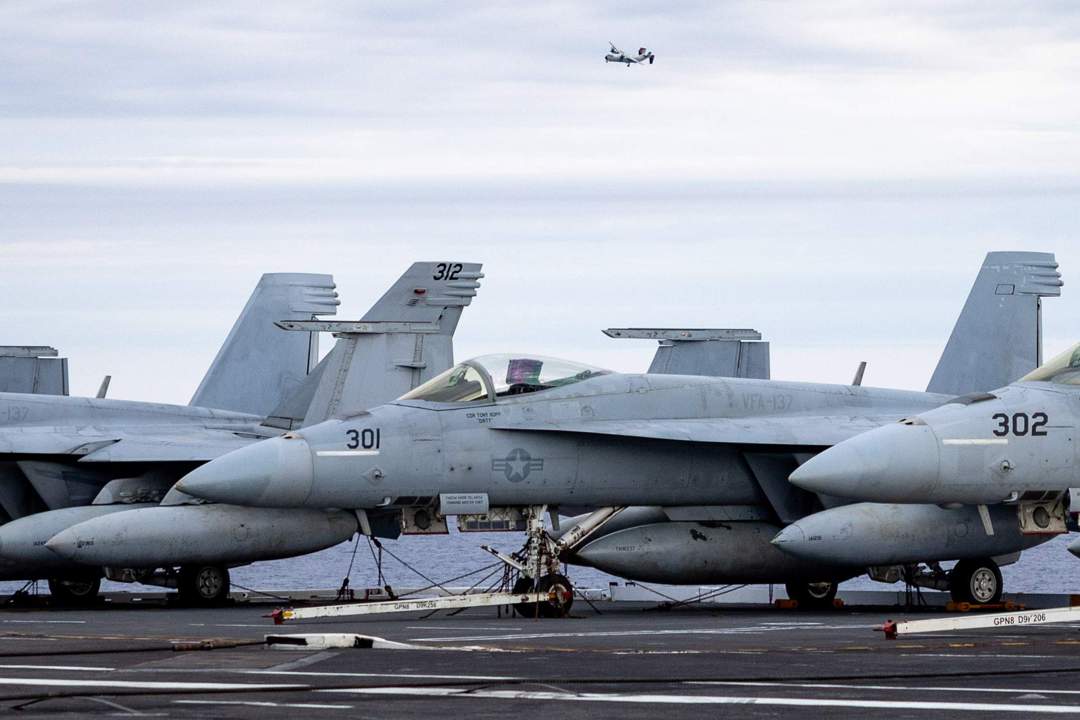
The United States and Iran engaged in reciprocal military strikes after the US accused Iran of attacking a cargo ship. This incident has jeopardized a fragile ceasefire that was in place, complicating diplomatic efforts to de-escalate the ongoing conflict in the Middle East. The exchange of fire occurred as international diplomats are actively working to contain the broader war. The US action was reportedly described by President Trump as a response to a "foolish violation" of the ceasefire by Iran. The situation highlights the precarious nature of the truce and the challenges faced by international mediators.
The exchange of military strikes between the US and Iran, triggered by an alleged attack on a cargo ship, underscores the persistent volatility in the Middle East. The incident's timing, amidst diplomatic efforts to contain the regional conflict, suggests a complex interplay of state actions and reactive measures. Such escalations can create significant headwinds for peace negotiations, potentially empowering hardline factions on both sides who may view de-escalation as weakness. The international community faces the challenge of navigating these dynamics, seeking to de-escalate tensions without appearing to reward aggression, while simultaneously upholding international maritime law and the principles of free navigation. Future stability will likely depend on the ability of diplomatic channels to manage immediate crises while addressing the underlying geopolitical grievances that fuel such conflicts.
AI-generated to prompt reflection — not editorial opinion, not advice, not a statement of fact. How this works.