US and Iran Face Stalled Negotiations Amidst Mutual Stalemate
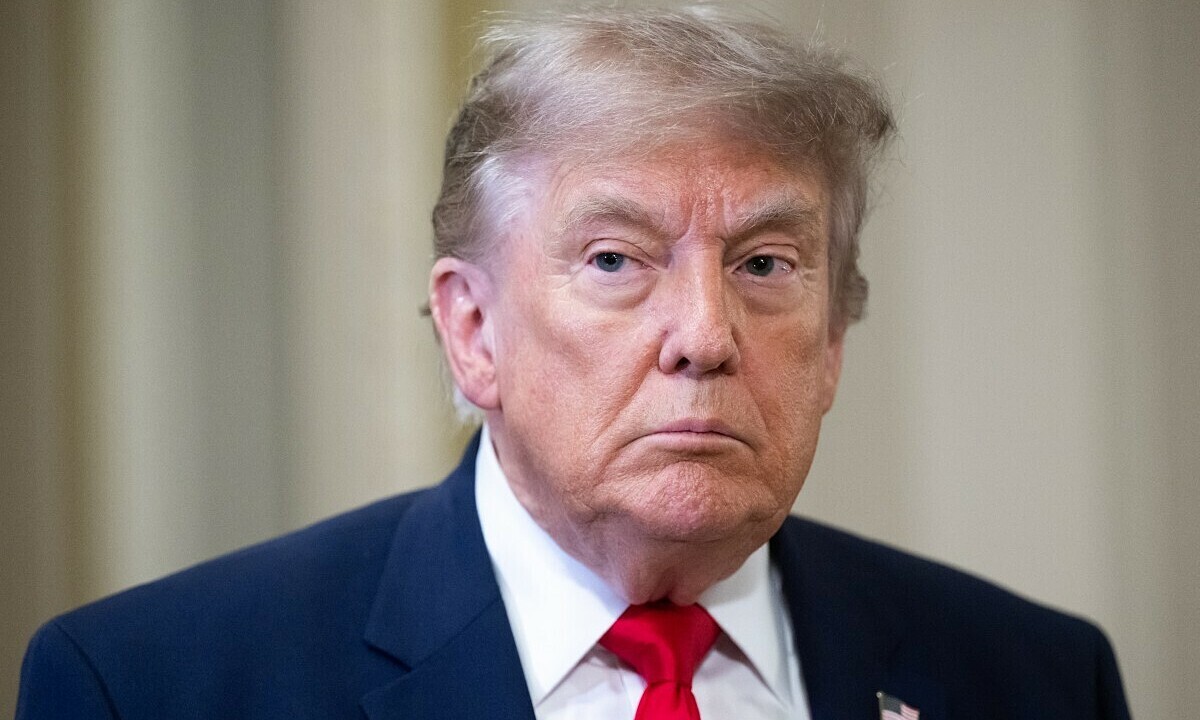
After more than three months of conflict, the United States and Iran are confronting a sluggish negotiation process. Both nations are unwilling to make concessions to each other, leading to a deadlock in discussions. This stalemate suggests a potential "quagmire" in the negotiation efforts, making progress difficult. The prolonged nature of the conflict and the rigidity of both parties' positions indicate a challenging path forward. Without a willingness to compromise, the diplomatic channels remain largely unproductive. The situation highlights the deep-seated disagreements that continue to hinder any resolution. The lack of movement in talks raises concerns about the future trajectory of their relationship and the broader regional stability.
The current impasse in US-Iran negotiations, following over three months of conflict, reflects a common dynamic in high-stakes diplomacy where entrenched positions hinder progress. Both parties appear to be prioritizing domestic political considerations or strategic leverage over immediate compromise. This stalemate may be influenced by the perceived costs of concession versus the potential benefits of maintaining a firm stance. Looking ahead, such protracted negotiations can escalate tensions and create opportunities for miscalculation, especially in volatile geopolitical regions. The challenge lies in finding a diplomatic framework that allows for de-escalation without sacrificing perceived national interests, a balance that is notoriously difficult to strike.
AI-generated to prompt reflection — not editorial opinion, not advice, not a statement of fact. How this works.