US and Iran Resume Strait of Hormuz Talks Amid Escalating Tensions
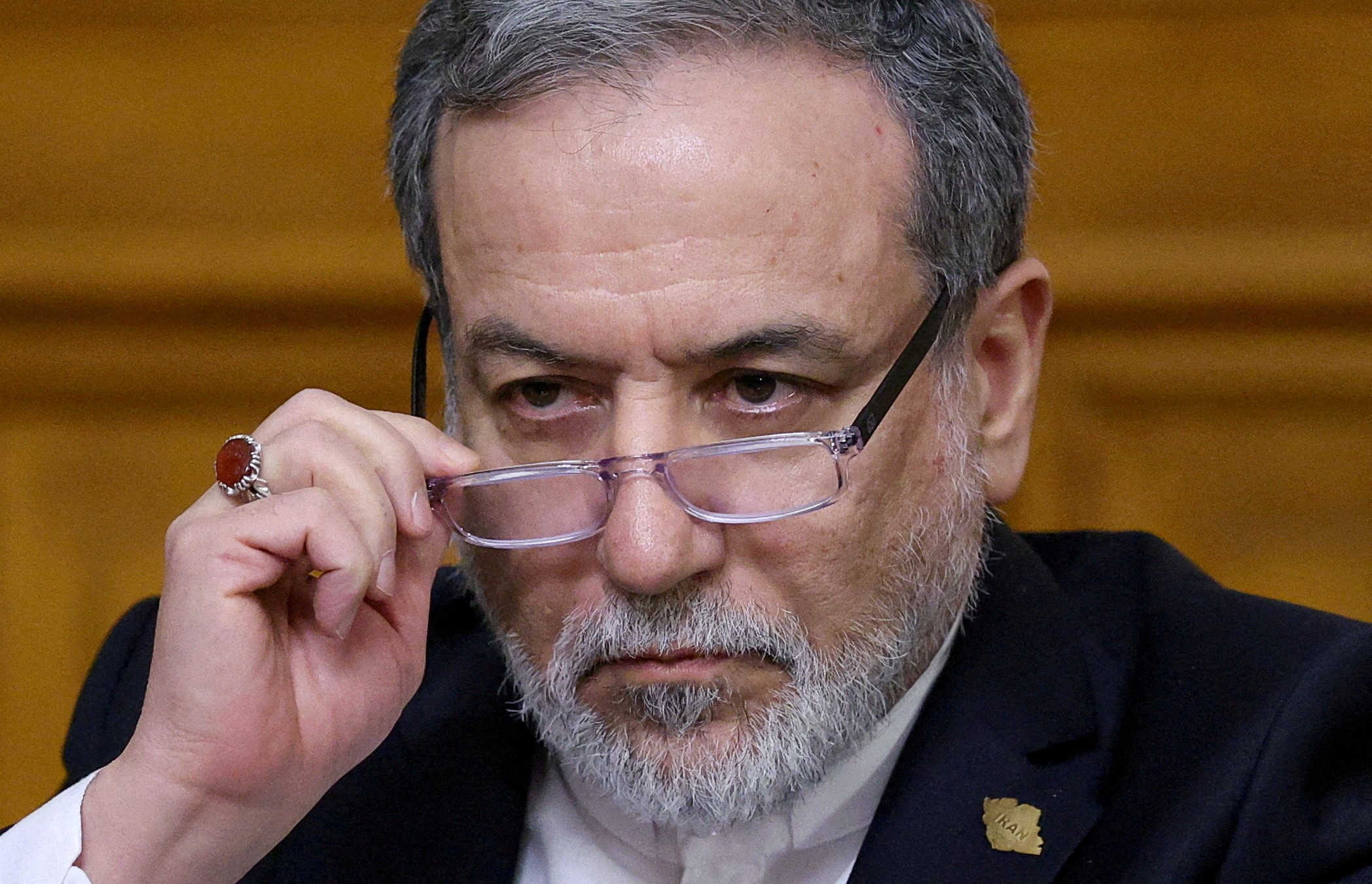
Iranian Foreign Minister Abbas Araqchi arrived in Oman on Saturday, November 11th, to discuss measures ensuring safe passage for ships through the Strait of Hormuz. The United States is seeking a public commitment from Tehran to keep the vital shipping route open and unobstructed. This diplomatic engagement follows U.S. President Donald Trump's statement that Washington and Tehran have agreed to continue negotiations, despite a significant escalation of confrontations earlier in the week. Trump also declared that the ceasefire between the two nations had ended. While tensions remain high, no new attacks were reported between Friday, November 10th, and Saturday morning. An Iranian source indicated to Reuters that representatives from Iran, the United States, Qatar, and Pakistan are expected to participate in Oman-mediated discussions aimed at ending the conflict. According to CBS News and the BBC, the American delegation was slated to include Vice President JD Vance, Secretary of State Marco Rubio, Special Envoy Steve Witkoff, and Jared Kushner. However, the Iranian Fars agency later cited a source stating that negotiations would not proceed unless the United States retreated from its current positions. These talks emerge after a recent military escalation in the Persian Gulf, which saw three commercial tankers from Qatar and Saudi Arabia attacked this week. In response, the U.S. conducted airstrikes on Iranian targets, and Iran retaliated with attacks on American military bases in the region. Foreign Minister Araqchi accused the United States of violating the ceasefire agreement, while Washington, on Tuesday, November 7th, revoked the license permitting Iranian oil sales following the tanker attacks. Araqchi emphasized on social media platform X that commitments must be fulfilled by both parties.
The resumption of negotiations concerning the Strait of Hormuz highlights the complex geopolitical incentives at play in a critical global energy chokepoint. Both the United States and Iran face domestic and international pressures that shape their approach to de-escalation and security guarantees. For the U.S., maintaining freedom of navigation and projecting regional stability are key objectives, potentially influenced by upcoming electoral cycles and global energy market dynamics. Iran, conversely, navigates international sanctions and regional rivalries, using its strategic position to assert influence and seek concessions. The current situation reflects a delicate balance where overt military actions are met with diplomatic overtures, suggesting a mutual, albeit cautious, recognition of the risks associated with full-scale conflict. Future developments will likely depend on the ability of mediators like Oman to bridge the gap between stated demands and the underlying security concerns of both nations, particularly in the context of evolving regional power structures and the broader implications for global trade.
AI-generated to prompt reflection — not editorial opinion, not advice, not a statement of fact. How this works.