US and Iran Sign Ceasefire Deal, Including $300 Billion Iran Reconstruction Plan
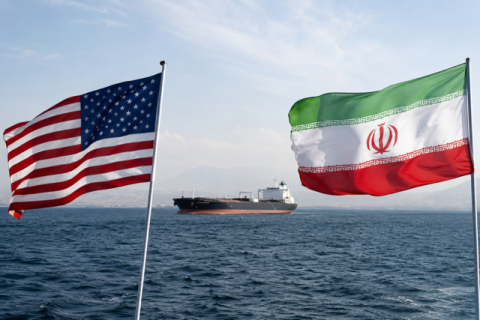
US President Donald Trump and Iranian President Massoud Pezeshkian have announced a 14-point ceasefire agreement, marking a significant step towards ending hostilities. The accord mandates an immediate and permanent cessation of all military operations. A key component of the deal involves a $300 billion reconstruction plan for Iran. This agreement aims to de-escalate tensions between the two nations and their regional allies. The details of the ceasefire's implementation and the reconstruction funding mechanism are central to its success. This development could reshape geopolitical dynamics in the Middle East.
The agreement between the US and Iran, framed as a ceasefire and reconstruction pact, presents a complex interplay of geopolitical incentives. The substantial reconstruction fund for Iran suggests a strategic effort to stabilize the region and potentially reshape economic dependencies. This could be viewed as a long-term investment in mitigating future conflict by addressing underlying economic grievances, a common strategy in post-conflict scenarios. However, the durability of such an agreement will likely hinge on the sustained political will of both administrations and the effective management of the reconstruction funds, which could introduce new dynamics of international financial oversight and potential leverage. The broader implications for regional power balances and the involvement of allied nations warrant careful observation over the coming decade as the AI era increasingly emphasizes interconnected global systems.
AI-generated to prompt reflection — not editorial opinion, not advice, not a statement of fact. How this works.