US and Saudi Arabia Finalize Civilian Nuclear Program Agreement
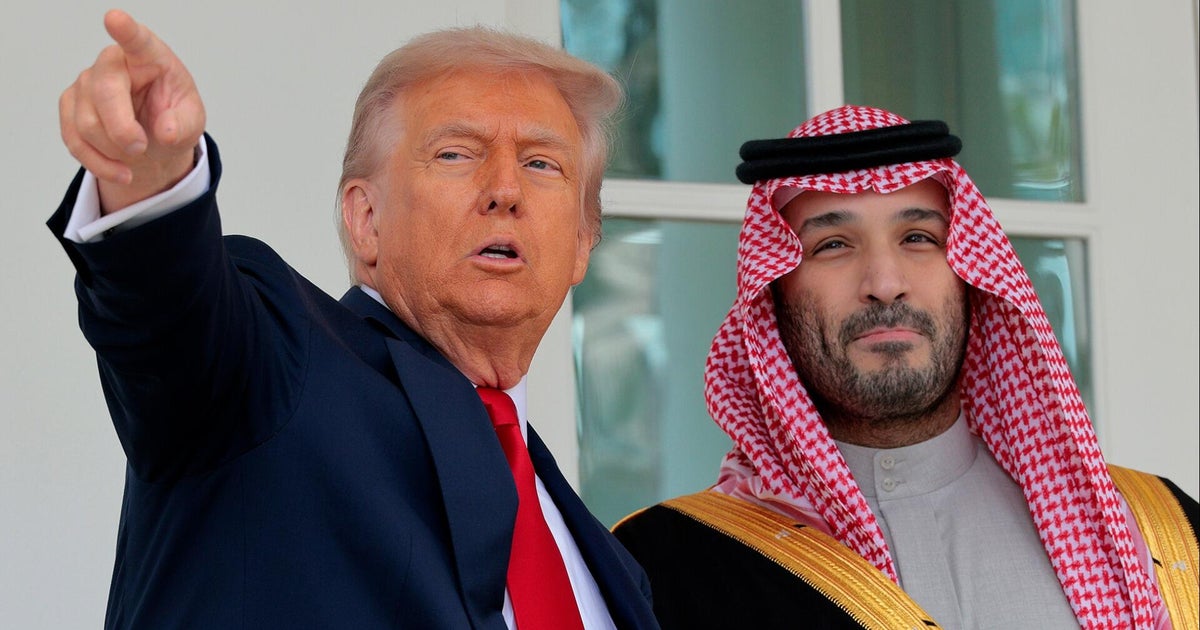
The United States and Saudi Arabia are reportedly finalizing an agreement concerning a civilian nuclear program. This development signifies a significant step in the bilateral relationship between the two nations regarding nuclear energy cooperation. Michael Gordon, a national security correspondent for The Wall Street Journal, has been reporting on the details of this emerging accord. Gordon shared his insights into the agreement during an appearance on CBS News. The specifics of the deal, particularly its implications for regional security and non-proliferation efforts, are expected to be closely scrutinized. The agreement focuses on the civilian applications of nuclear technology, aiming to provide energy and potentially other benefits.
The finalization of a civilian nuclear program agreement between the U.S. and Saudi Arabia warrants careful examination of the underlying incentives and governance structures. Such accords often involve complex trade-offs between energy development, national security, and global non-proliferation norms. The U.S. approach typically emphasizes robust oversight and safeguards to mitigate risks associated with the transfer of nuclear technology. Saudi Arabia's interest likely stems from its long-term energy diversification strategies and potential economic benefits. Evaluating the long-term implications requires considering regional geopolitical dynamics, the evolving landscape of global energy markets, and the effectiveness of international oversight mechanisms in the coming decade.
AI-generated to prompt reflection — not editorial opinion, not advice, not a statement of fact. How this works.