US and Saudi Arabia Finalize Nuclear Cooperation Deal
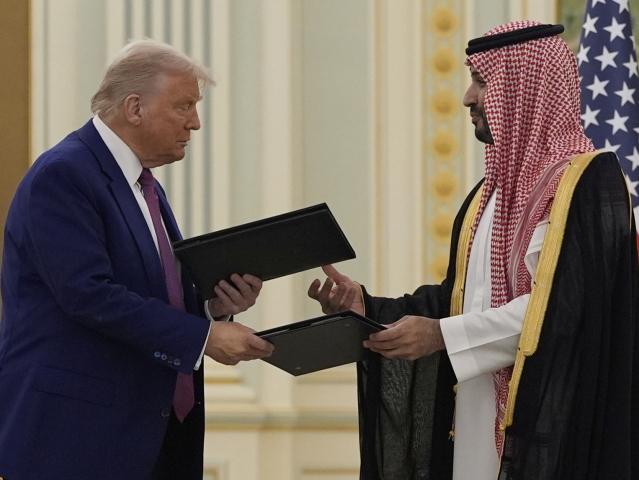
The United States announced on Wednesday that it has reached an agreement with Saudi Arabia to cooperate on civilian nuclear energy. This pact signifies a significant step in the bilateral relationship between the two nations concerning nuclear technology. The details of the agreement were not fully disclosed, but it is understood to involve assistance from the U.S. to the Kingdom in developing its nascent nuclear program. This development comes amid ongoing discussions about Saudi Arabia's energy future and its diversification away from oil. The agreement is expected to facilitate the transfer of nuclear technology and expertise, potentially paving the way for Saudi Arabia to construct new nuclear power facilities. The U.S. has emphasized the peaceful intentions behind this cooperation, focusing on civilian applications of nuclear energy.
The U.S.-Saudi nuclear cooperation agreement highlights the complex geopolitical landscape of energy security and non-proliferation. While framed as civilian, such partnerships necessitate robust oversight mechanisms to mitigate proliferation risks, especially given regional tensions. The U.S. approach appears to balance energy diplomacy with its non-proliferation commitments, a delicate act that will be tested as Saudi Arabia develops its nuclear capabilities. Future developments will likely involve international scrutiny of Saudi Arabia's adherence to safeguards and the U.S.'s diligence in its oversight role. This agreement could influence broader regional nuclear energy ambitions and the global non-proliferation regime.
AI-generated to prompt reflection — not editorial opinion, not advice, not a statement of fact. How this works.