US and Saudi Arabia Finalize Nuclear Deal Allowing Uranium Enrichment
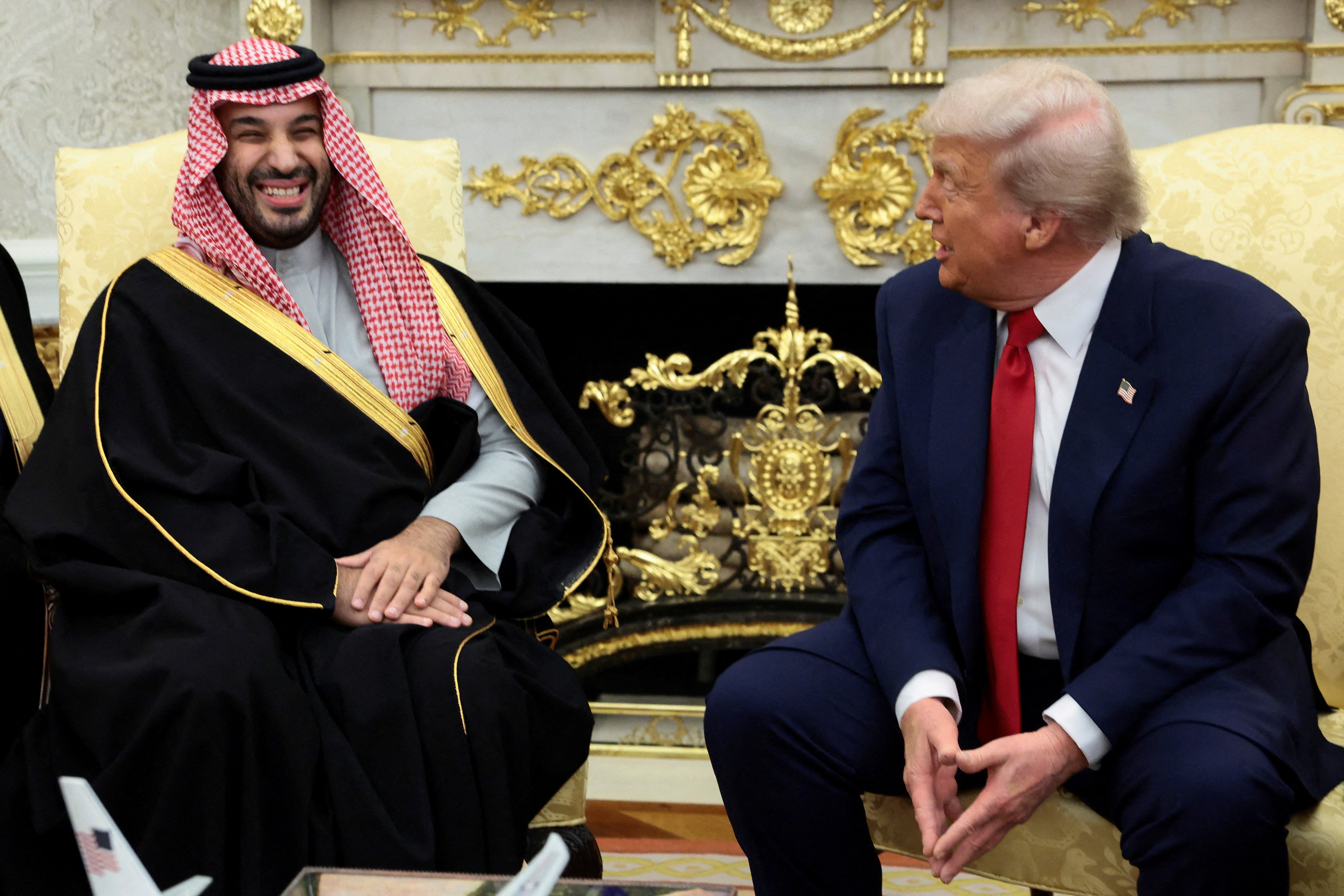
The United States and Saudi Arabia have reached an agreement allowing the Kingdom to enrich uranium as part of its civilian nuclear program. The deal, set to be signed at the White House, will be valid for 30 years and includes provisions for American companies to participate in developing Saudi Arabia's nuclear infrastructure. However, the agreement still requires approval from the U.S. Congress, which has a 90-day period to review and vote on the measure.
Concerns have been raised by U.S. lawmakers and international officials regarding the potential for nuclear proliferation in the Middle East. Critics argue that this pact could undermine the U.S. stance against Iran's nuclear program and potentially trigger a regional arms race. The agreement does not mandate the immediate transfer of uranium enrichment technology or the construction of a nuclear power plant by the U.S. It also notably lacks the "gold standard" clause, which would require Saudi Arabia to forgo uranium enrichment and reprocessing of spent nuclear fuel, and does not include the International Atomic Energy Agency's Additional Protocol for enhanced inspection powers.
Saudi Arabia states its nuclear program aims to diversify its energy sources, reduce carbon emissions, and conserve oil and gas reserves for export, with potential uses in desalination and air conditioning. The U.S. views the deal as strategically and economically beneficial, securing a significant market for its companies and maintaining influence over the Kingdom's nuclear development amidst competition from other global powers. The deal's approval is contingent on congressional review, with a potential presidential veto override requiring a two-thirds majority in both houses.
This nuclear cooperation agreement between the U.S. and Saudi Arabia presents a complex geopolitical and technological trade-off. While framed as a civilian energy initiative, the inclusion of uranium enrichment capabilities, even with U.S. involvement, inherently raises proliferation concerns, particularly given the volatile regional dynamics with Iran. The U.S. rationale appears to be one of strategic engagement to maintain influence and market share, rather than outright prohibition, a shift from previous non-proliferation stances that may incentivize other regional actors to pursue similar technologies. The congressional review process will be critical in determining whether national security safeguards can adequately mitigate the inherent risks associated with dual-use nuclear technology in a region with a history of escalating tensions and a potential arms race.
AI-generated to prompt reflection — not editorial opinion, not advice, not a statement of fact. How this works.