US and Saudi Arabia finalize nuclear deal, facing Congressional review
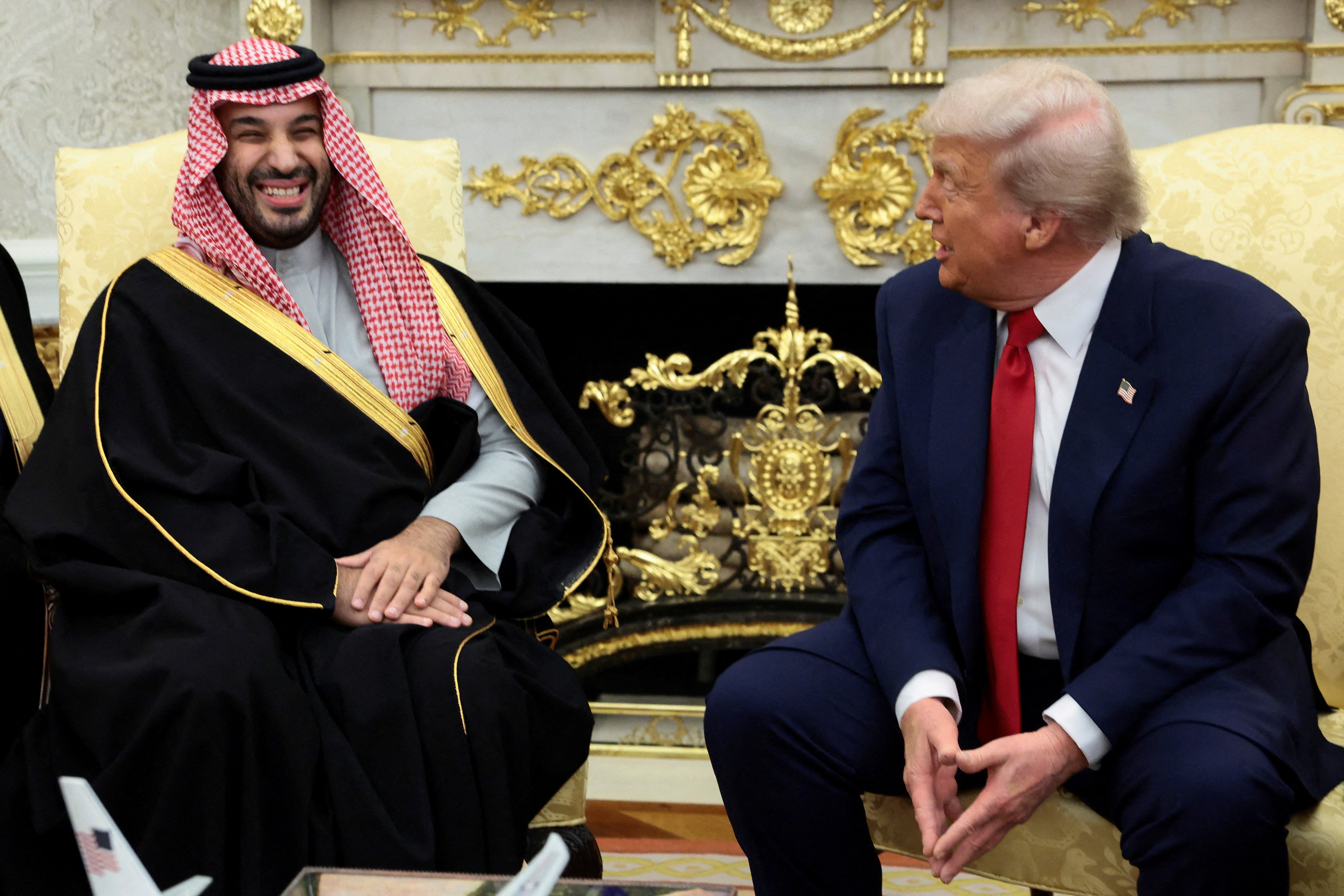
The United States and Saudi Arabia have reached an agreement allowing the Kingdom to enrich uranium as part of its civilian nuclear program. The deal, reportedly set to be signed at the White House and valid for 30 years, includes provisions for American companies to participate in Saudi Arabia's nuclear infrastructure development. However, the agreement still requires review and approval by the U.S. Congress, which has a 90-day period to vote on the measure. Concerns have been raised by U.S. lawmakers and international officials regarding the potential for nuclear proliferation in the Middle East, especially given the current regional tensions. Critics argue that the pact could undermine the U.S. stance against Iran's nuclear program and potentially trigger a regional arms race. The Saudi government states its nuclear ambitions are for diversifying its energy matrix, reducing carbon emissions, and freeing up oil for export, with plans to produce "yellowcake" uranium by January 2025. For the U.S., the deal offers strategic and economic benefits, securing a significant market for American firms and maintaining U.S. influence over the program, thereby limiting competition from countries like China and Russia. Despite the civilian aims, the enrichment of uranium carries dual-use potential, raising fears of a nuclear arms race in the Middle East without additional safeguards like the "gold standard" clause or the Additional Protocol of the International Atomic Energy Agency (IAEA). The agreement's approval could be influenced by a presidential veto, which would then require a two-thirds majority in both houses of Congress to override.
This nuclear cooperation agreement between the U.S. and Saudi Arabia, occurring amidst heightened regional instability, presents a complex geopolitical calculus. The U.S. administration's stated aims of economic opportunity and strategic influence must be weighed against the inherent risks of uranium enrichment technology proliferation. The absence of stringent safeguards, such as the "gold standard" clause and the IAEA's Additional Protocol, raises significant questions about the long-term stability of the region and the potential for an arms race, particularly in light of the ongoing Saudi-Iran rivalry. Future developments will likely hinge on the U.S. Congress's assessment of these risks versus the perceived benefits of maintaining American leadership in a burgeoning nuclear market, and how this pact influences broader international non-proliferation norms in the coming decade.
AI-generated to prompt reflection — not editorial opinion, not advice, not a statement of fact. How this works.