US and Saudi Arabia Near Civilian Nuclear Program Deal, Reports Say
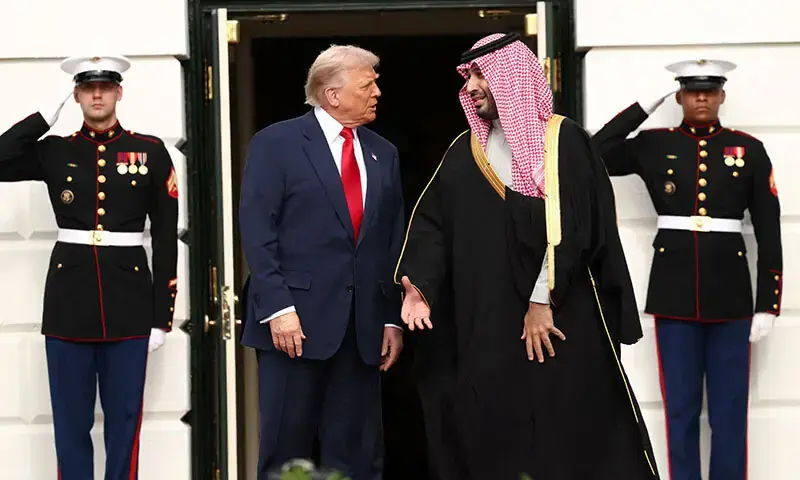
The United States is reportedly planning to announce a civilian nuclear program agreement with Saudi Arabia on Wednesday, according to US media citing unnamed officials. The deal, expected to be submitted to Congress in the coming days, would allow American companies to build a uranium enrichment facility in Saudi Arabia under specific conditions. This agreement, lasting 30 years, is a Section 123 Agreement under the US Atomic Energy Act of 1954, facilitating cooperation on the nuclear fuel cycle. However, sources indicate the deal does not include the "Gold Standard" to prevent uranium enrichment and spent fuel reprocessing, nor the "Additional Protocol" for intrusive oversight by the International Atomic Energy Agency. Energy Secretary Chris Wright and Saudi energy minister Abdulaziz bin Salman previously signed a preliminary agreement last year. The potential deal comes amid renewed fighting in Yemen and amid Saudi Arabia's stated intention to develop nuclear capabilities if Iran does. Crown Prince Mohammed bin Salman has previously stated that Saudi Arabia would pursue nuclear weapons if Iran developed them. The United Arab Emirates, by contrast, agreed to stricter non-proliferation terms in its 2009 nuclear deal with Washington. While congressional approval is not strictly required, the agreement will undergo a 90-day review period, during which Congress can object by passing a joint resolution with a two-thirds majority to override a presidential veto.
This impending nuclear cooperation agreement between the US and Saudi Arabia highlights a complex interplay of geopolitical interests, economic incentives, and non-proliferation concerns. The reported absence of stringent "Gold Standard" provisions and the "Additional Protocol" raises questions about the robustness of safeguards against potential weapons proliferation, particularly given Saudi Arabia's stated ambitions in the event of Iranian nuclear development. The structure of the agreement, which allows for future uranium enrichment under certain conditions, presents a strategic trade-off for the US: securing significant economic benefits for its nuclear industry versus managing the long-term risks of regional nuclearization. The congressional review period offers a critical opportunity for lawmakers to scrutinize these trade-offs and potentially influence the final terms, reflecting the ongoing tension between executive-led foreign policy initiatives and legislative oversight in matters of national security and international stability.
AI-generated to prompt reflection — not editorial opinion, not advice, not a statement of fact. How this works.