US and Saudi Arabia Negotiate Nuclear Cooperation Deal
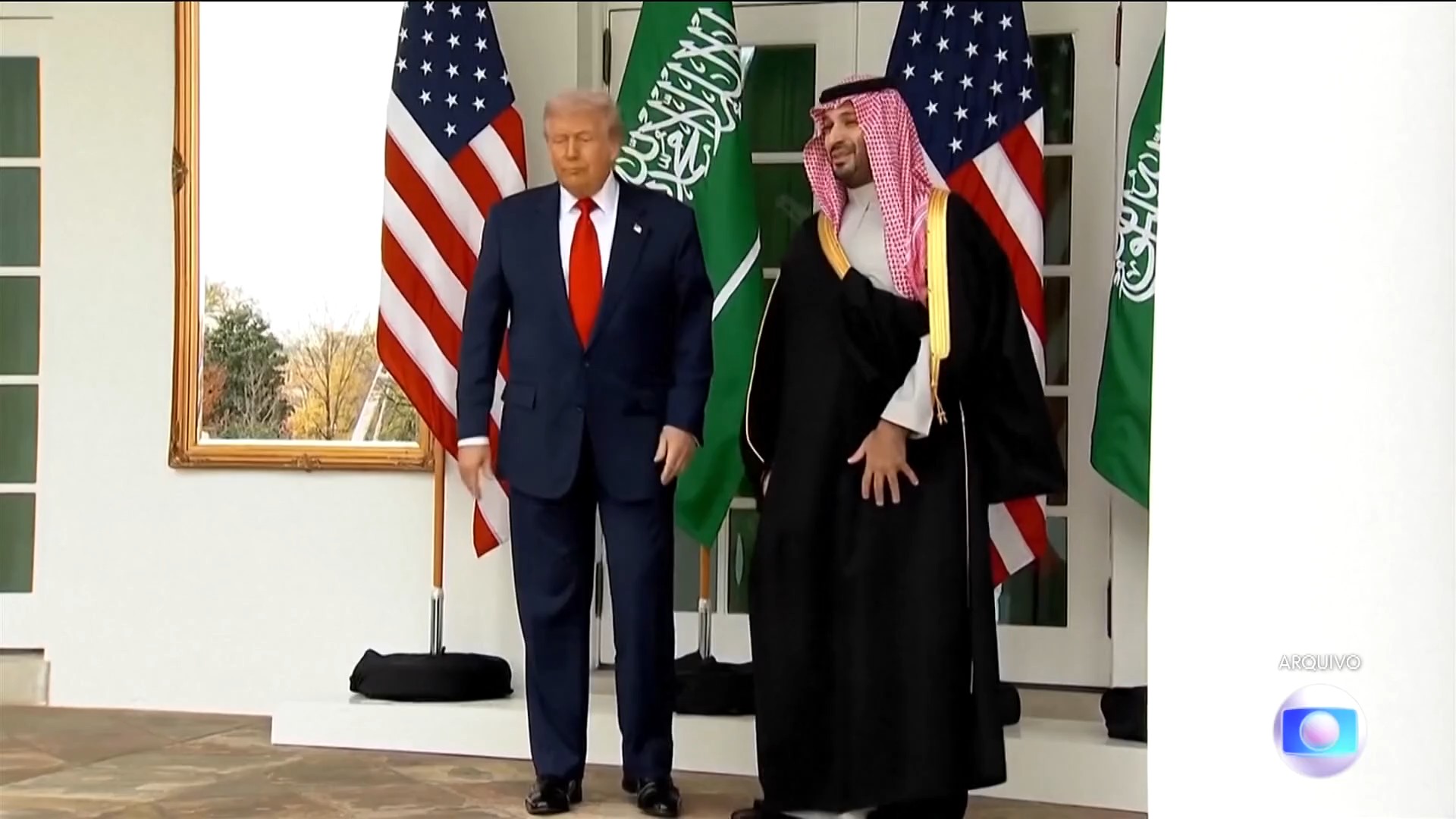
The United States and Saudi Arabia are in discussions for a nuclear cooperation agreement that would involve American companies building and managing Saudi Arabia's nuclear infrastructure for three decades. These companies would also oversee uranium enrichment within the kingdom, without transferring the technology to Riyadh. US officials state the primary objective is to prevent Saudi Arabia from acquiring the capability to develop nuclear weapons. The Saudi government maintains its nuclear program is solely for peaceful energy production. However, Saudi Arabia has not ratified an International Atomic Energy Agency (IAEA) protocol for enhanced inspections and monitoring. Crown Prince Mohammed bin Salman has previously indicated that Saudi Arabia would pursue nuclear weapons if Iran developed them. These negotiations occur as the US, under President Donald Trump, intensifies efforts to curb Iran's nuclear program, demanding Tehran cease uranium enrichment, surrender existing stockpiles, and accept international inspections. Critics express concern over both major Middle Eastern rivals potentially accessing nuclear technology. US Secretary of State Marco Rubio has assured that the US will not approve any deal that risks nuclear proliferation. The proposed agreement is subject to approval by the US Congress and includes a two-year review period to assess the feasibility and necessity of uranium enrichment within Saudi Arabia.
This negotiation highlights the complex geopolitical calculus surrounding nuclear technology proliferation in the Middle East. The US aims to balance its strategic interests, including regional stability and preventing weaponization, against its economic and diplomatic relationships. The proposed oversight mechanism, where US firms control enrichment without technology transfer, represents an attempt to mitigate proliferation risks. However, the historical context of regional rivalries, particularly between Saudi Arabia and Iran, introduces significant systemic challenges. The potential for a nuclear arms race, even if unintended, remains a critical concern. Future governance frameworks will need to address the dual-use nature of nuclear technology and the incentives for its weaponization, especially in volatile geopolitical environments. The long-term implications depend on robust verification mechanisms and sustained international cooperation beyond bilateral agreements.
AI-generated to prompt reflection — not editorial opinion, not advice, not a statement of fact. How this works.