US and Saudi Arabia Sign Civilian Nuclear Cooperation Deal
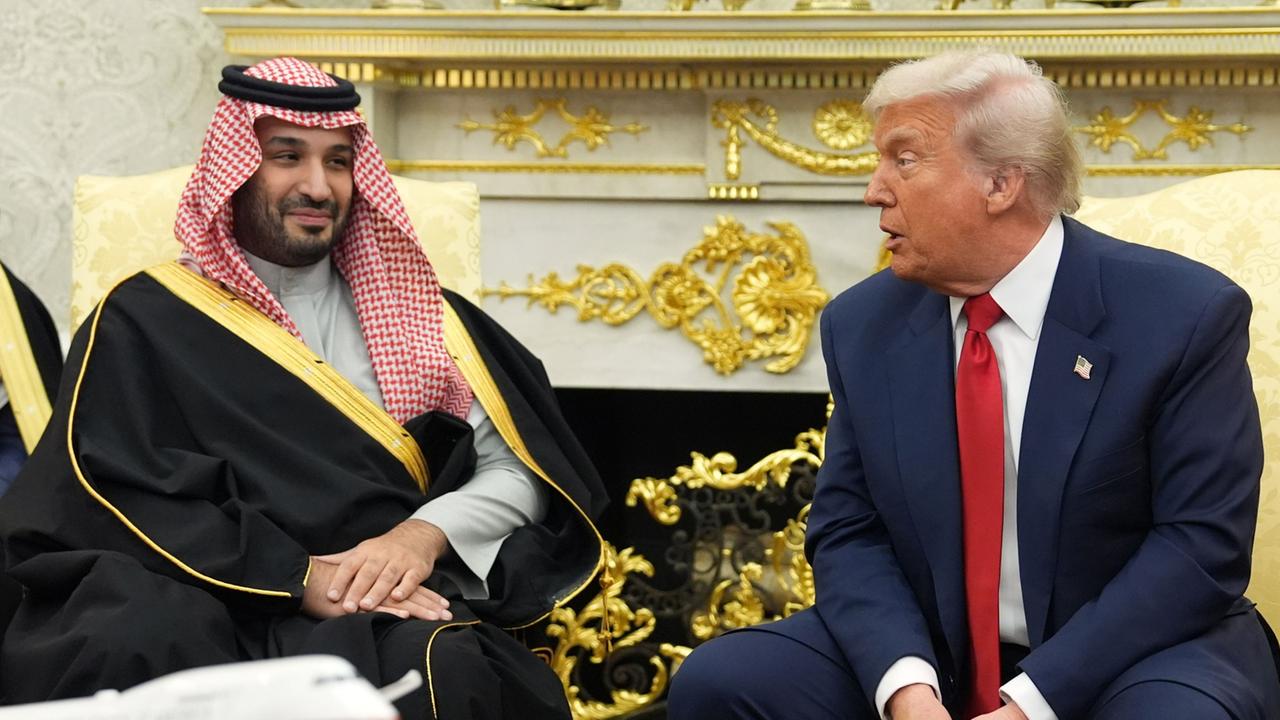
The United States and Saudi Arabia have finalized an agreement for the development of a civilian nuclear program in the Kingdom. This significant pact was signed in Washington amidst ongoing geopolitical tensions, particularly referencing the Iran conflict. However, the deal is not yet final, as it requires approval from the U.S. Congress. Within the U.S. legislative body, there are considerable reservations and concerns that must be addressed before the agreement can be fully ratified. The specifics of the agreement and the nature of the congressional concerns have not been detailed in the provided text. This development marks a key step in nuclear cooperation between the two nations, pending legislative review.
The U.S.-Saudi nuclear cooperation agreement, signed amid regional instability, highlights the strategic importance of energy partnerships. While aiming to advance civilian nuclear technology, the pending congressional review underscores the complex interplay of national security interests, non-proliferation concerns, and international relations. The process will likely involve scrutinizing safeguards and the potential for technology transfer, reflecting a broader global effort to balance energy needs with the imperative of preventing nuclear proliferation. Future considerations may involve the evolving geopolitical landscape and the long-term implications of such technological collaborations for regional stability and global security.
AI-generated to prompt reflection — not editorial opinion, not advice, not a statement of fact. How this works.