US and Saudi Arabia Sign Civilian Nuclear Cooperation Deal
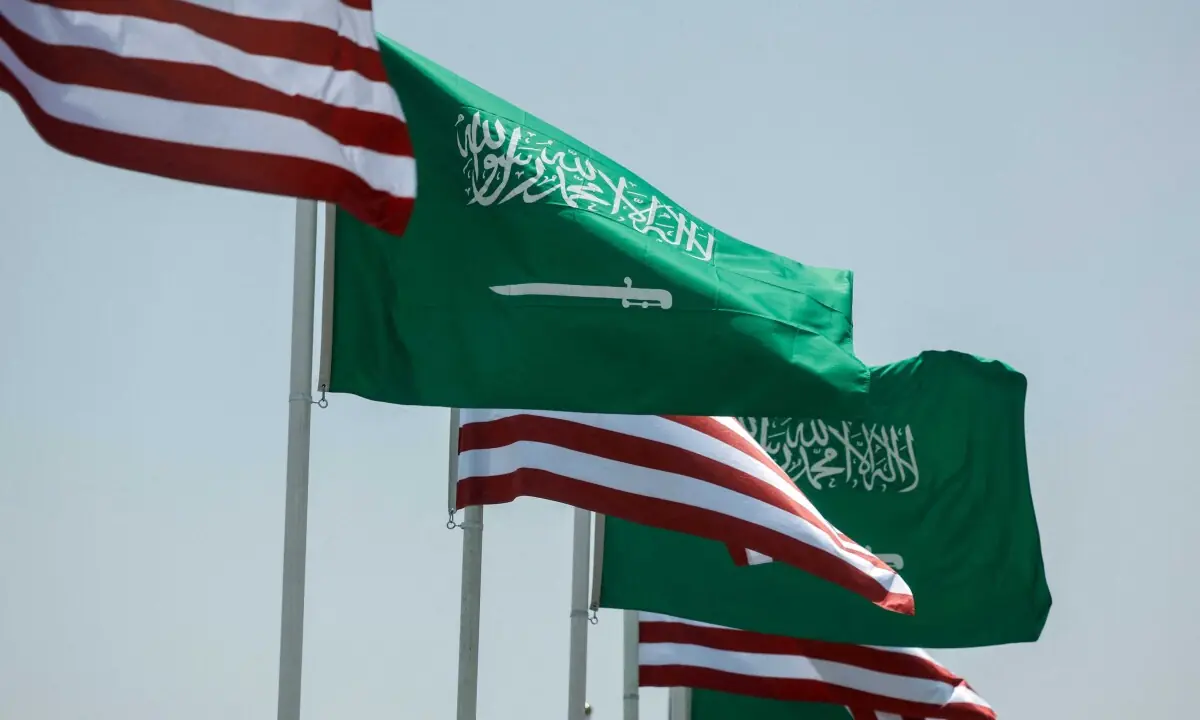
The United States has announced a significant civilian nuclear cooperation agreement with Saudi Arabia, aiming to establish a nuclear program in the Gulf nation. The deal, signed by US Energy Secretary Chris Wright and Saudi counterpart Prince Abdulaziz bin Salman, is intended to form the basis of a long-term, multi-billion-dollar partnership. Washington asserts that the agreement incorporates robust non-proliferation safeguards, despite potential provisions for US companies to build a uranium enrichment facility in Saudi Arabia, a detail not explicitly mentioned by the Energy Department. This development occurs amidst ongoing tensions with Iran over its nuclear program and follows a similar agreement the US has with the UAE. The deal will undergo review by the Republican-controlled Congress, where opposition from some lawmakers and Israeli officials, concerned about potential weaponization, is anticipated. Saudi Arabia has consistently maintained its right to develop a civilian nuclear program. The US views this agreement as a strategic move to strengthen ties and counter Russian and Chinese influence in the region, with Energy Secretary Wright emphasizing adherence to high standards of safety and non-proliferation. Experts offer mixed views, with some praising the strategic win for the US while others express reservations about allowing enrichment capabilities on Saudi soil.
This nuclear cooperation agreement between the US and Saudi Arabia highlights the complex geopolitical landscape of the Middle East, particularly concerning nuclear proliferation and regional power dynamics. The US emphasis on non-proliferation safeguards, while potentially challenged by provisions for uranium enrichment, reflects a delicate balancing act between fostering strategic alliances and managing security risks. The inclusion of enrichment capabilities, even under safeguards, could be viewed through the lens of future technological diffusion and the potential for dual-use applications, a recurring theme in the evolving AI era. From a systemic perspective, the agreement underscores the persistent global challenge of ensuring peaceful nuclear energy development while mitigating the risk of weaponization, especially in a region with a history of strategic competition. The US strategy appears to be one of engagement and oversight, aiming to steer nuclear development within its sphere of influence, rather than ceding ground to competitors like Russia and China. This approach seeks to leverage economic and strategic partnerships to uphold non-proliferation norms, though the long-term efficacy will depend on robust verification and evolving regional stability.
AI-generated to prompt reflection — not editorial opinion, not advice, not a statement of fact. How this works.