US and Saudi Arabia Sign New Nuclear Cooperation Agreement
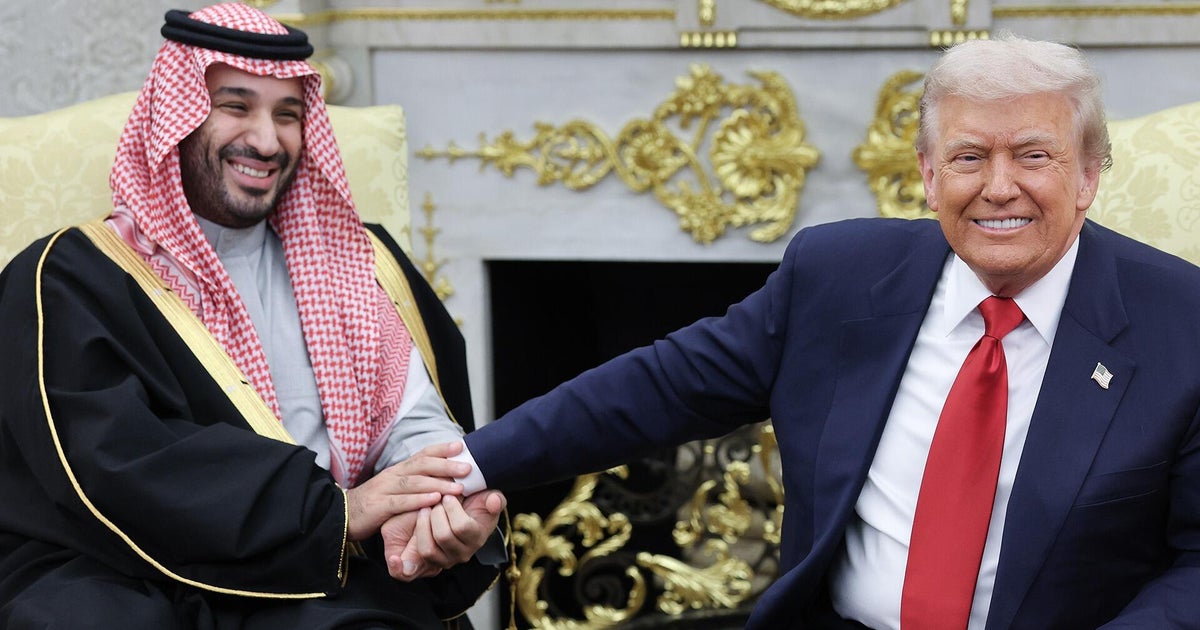
The United States and Saudi Arabia have signed a new nuclear cooperation agreement on Wednesday. This deal is intended to assist Saudi Arabia in diversifying its energy sources. The specifics of the agreement were detailed by Margaret Brennan. The pact aims to foster collaboration in the peaceful use of nuclear energy between the two nations. It is expected to support Saudi Arabia's growing energy demands and its strategic goals for energy independence. The agreement signifies a deepening of the bilateral relationship, focusing on technological exchange and safety standards in the nuclear sector. Further details regarding the scope and implications of the deal are anticipated.
This nuclear cooperation agreement between the U.S. and Saudi Arabia represents a strategic alignment in energy policy. From a U.S. perspective, it could foster economic ties and enhance global non-proliferation norms through oversight. For Saudi Arabia, it aligns with its Vision 2030 goals of diversifying its economy and energy mix away from sole reliance on oil, potentially reducing carbon emissions if nuclear power displaces fossil fuels. However, the long-term implications will depend on rigorous adherence to international safeguards and the development of robust regulatory frameworks within Saudi Arabia. The geopolitical context, particularly regional stability and Saudi Arabia's nuclear ambitions, will be critical factors to monitor over the next decade.
AI-generated to prompt reflection — not editorial opinion, not advice, not a statement of fact. How this works.