US and Saudi Arabia Sign Nuclear Cooperation Deal
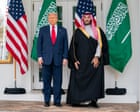
The United States has entered into a significant nuclear cooperation agreement with Saudi Arabia, potentially paving the way for the kingdom to enrich uranium. The deal was formalized on Wednesday when U.S. Secretary of Energy Chris Wright and Saudi counterpart Prince Abdulaziz bin Salman signed two key documents: a "peaceful nuclear cooperation agreement" and a "bilateral safeguards agreement."
This agreement marks a pivotal moment in the energy relationship between the two nations. While the specifics of uranium enrichment capabilities remain subject to further discussion and safeguards, the signing itself indicates a mutual commitment to developing peaceful nuclear energy programs. The U.S. Department of Energy confirmed the signing, highlighting the cooperative nature of the accord.
This nuclear cooperation agreement between the U.S. and Saudi Arabia represents a complex interplay of energy security, geopolitical strategy, and non-proliferation concerns. The potential for Saudi Arabia to enrich uranium, while framed as peaceful, introduces significant considerations for regional stability and the global non-proliferation regime. The U.S. approach likely balances its strategic interests in the Middle East and energy markets against the imperative to prevent nuclear weapons proliferation. Future developments will hinge on the robustness of the bilateral safeguards, international oversight, and the evolving geopolitical landscape, particularly concerning Iran's nuclear program and regional power dynamics. The long-term implications will depend on whether this agreement fosters transparency and trust or inadvertently escalates regional nuclear competition.
AI-generated to prompt reflection — not editorial opinion, not advice, not a statement of fact. How this works.